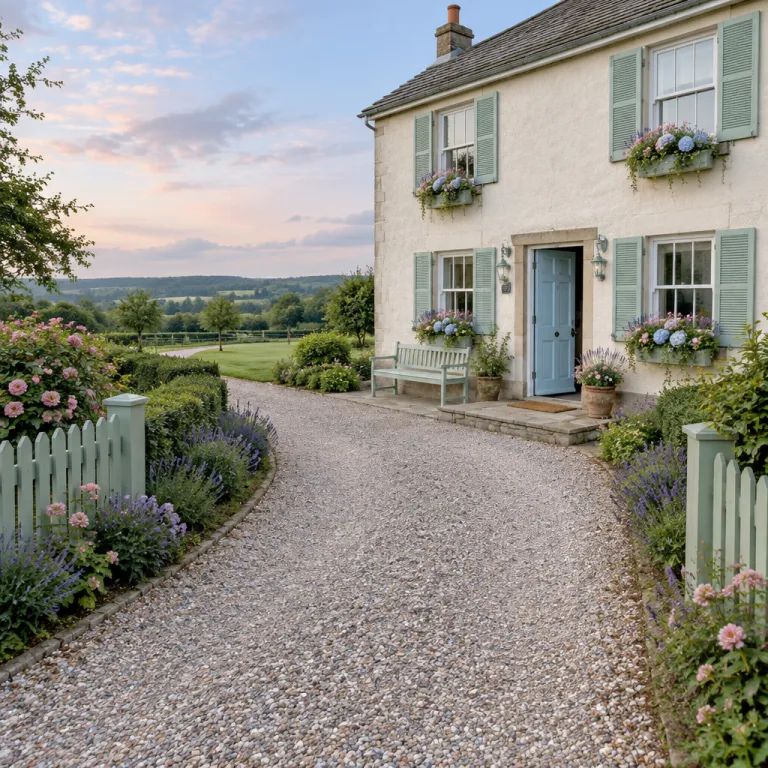
The first ten minutes at a country house hotel
The country house hotel arrival welcome experience begins before you see the front door. A thoughtful property will have shaped your pre arrival journey with clear hotel communication, from directions to a calm note about flexible check time and where to park. When that care is missing, hotel guests often arrive tense, and the estate has to work twice as hard to restore ease.
At a serious country house hotel, the difference between a check and a welcome is immediate. You are met by a person, not a process, and the greeting uses your name in a way that makes each guest feel expected rather than squeezed into a slot. When the first words are “hello guest, we just need a card and a signature”, you already know this arrival hotel moment is about throughput, not guest experience.
Watch how the estate handles your luggage, your coat, your sense of direction. A high quality country house hotel welcome often starts with a seat by the fire, a drink, and a short conversation before anyone mentions a key or a form. When you are pointed towards the front desk queue instead, the message hotel leaders send is that systems come first and guests feel considered only when the line is short.
Being welcomed, not processed: signals in the greeting
In the best country house hotel arrival welcome experience, the first ten minutes feel like being invited into a private home. A member of the front desk équipe steps away from the screen, offers a genuine greeting, and walks you through the hall as they talk about the history of the estate. That walk matters more than any room upgrade, because it shows the property values relationship over routine.
Listen to the language of the hotel welcome, because every word is a message. When someone says “dear guest, we have been expecting you, let us settle you in before we check anything”, the communication resets your travel day and makes hotel guests feel instantly anchored. When the script runs “hello guest, check time is from fifteen hundred, early access is a chargeable service”, you are hearing policy, not hospitality.
Countryhousestay.com focuses on experience led, estate based stays, and that begins at arrival. On a truly guest focused property, the person who greets you knows the grounds, the kitchen garden, and the walking paths, not just the tariff and the Wi Fi code. If you are planning an upcoming stay, explore how exclusive country house stays balance luxury, heritage and personalized service by reading the in depth guide on experience driven country house stays.
Fires lit, dogs at the door: reading the estate on arrival
The most telling country house hotel arrival welcome experience often involves very little talking. A dog padding over to inspect new guests, a fire already lit in the hall, and a tray of tea appearing before anyone mentions a check are all quiet signals that the estate understands rhythm. These details say the property will shape your stay around human comfort, not just around service standards.
Notice how the hotel uses both digital tools and analogue gestures in those first minutes. A well judged digital welcome message or pre arrival note can handle the practical information, freeing the team to focus on greeting you, carrying your bags, and providing local recommendations while you warm up. When every interaction is reduced to a screen or a tablet at the front desk, the guest experience shrinks to a transaction and the hotel communication loses texture.
Many of the finest estates pair a handwritten welcome letter with a concise welcome book in the room. The letter might reference the weather, the garden, or a specific walk, while the welcome book quietly covers safety, dining times, and how to reach the team at any time. When both are written in the same calm voice, guests feel they are entering a coherent world rather than a branded concept.
Muddy boots, soft rules: warmth over polish
Country houses that understand their soul let the country in from the first arrival. You may see muddy boots by the door, a gardener crossing the hall, or a labrador asleep on a rug, and this relaxed order tells guests the estate is lived in, not staged. That kind of hotel welcome usually means the property will forgive wet coats, late breakfasts, and requests for flasks filled before a long walk.
In these houses, the country house hotel arrival welcome experience is casual but precise. Someone will quietly check your preferred dinner time while handing you a real key, not a flimsy card, and they will offer to dry your shoes before you even think to ask. The service feels intuitive because the communication is based on observation rather than on a rigid message hotel script.
Red flags look different. If the first ten minutes are dominated by upsell offers, loyalty pitches, or a push towards a free trial of some unrelated digital service, you can assume the stay will be managed by marketing, not by hosts. When the estate leads instead with a pot of tea, a short tour, and a few thoughtful local recommendations, guests feel the upcoming stay will be shaped by place rather than by a points scheme.
Questions to ask before you book: testing the welcome in advance
The art of reading a country house hotel arrival welcome experience starts long before you ring the bell. When you enquire, pay attention to how quickly and personally the property replies, and whether the message feels written for you or copied from a template. A short, specific welcome message that answers your questions and offers tailored suggestions is often a better sign than a glossy brochure.
Ask direct questions about the arrival hotel routine. You might write a brief note that begins “dear guest relations team, what usually happens when guests arrive, and is there someone at the front door or only at the front desk at check time ?” and see how they respond. If the reply mentions being met outside, help with bags, and a personal welcome letter in the room, you can expect a high quality first ten minutes.
It is also worth asking how the estate handles late arrivals, early check requests, and special occasions during an upcoming stay. Properties that care about guest experience will explain their hotel communication style, from pre arrival emails to the in room welcome book and any digital tools they use to keep guests informed. For a deeper sense of how values show up in practice, compare this with how the same house talks about its cellar and service ethos in guides such as the analysis of what the wine list reveals about a country house hotel.
How the first ten minutes shape the whole stay
Those first ten minutes of any country house hotel arrival welcome experience quietly script the rest of your stay. When the greeting is unhurried, the communication is clear, and the estate feels both cared for and lived in, guests relax into the rhythm of the property almost immediately. A rushed check, a missing key, or a confused message at the front desk, by contrast, can take hours to undo.
Watch how the team balances privacy and presence. A thoughtful hotel welcome gives you enough information to feel oriented, from meal times to local recommendations, without flooding you with every possible service in a single breath. When staff say “we are always nearby, but we will let you settle first”, guests feel trusted and the guest experience gains a quiet, grown up tone.
By the time you reach your room, you should already know whether this estate will suit you. A handwritten welcome letter, a concise welcome book, and perhaps a small digital message confirming dinner or spa times show that the property has aligned its tools around hospitality rather than around data capture or a free trial of some app. When those elements work together, the upcoming stay usually unfolds with the same calm precision as those first ten minutes.
FAQ
How can I tell in advance if a country house welcome will feel personal ?
Look at how the property communicates before you arrive. If emails or messages use your name, answer specific questions, and describe the arrival hotel routine in detail, the team is likely to provide a personal greeting and a thoughtful country house hotel arrival welcome experience.
What are the best questions to ask about arrival when booking ?
Ask who will meet you, whether there is help with luggage, and how flexible the check time can be. You can also request an example of their welcome message or welcome letter, which reveals how the estate thinks about tone, service, and guest experience.
Are digital tools a good sign or a red flag at a country house hotel ?
Digital tools are helpful when they handle logistics, such as directions, pre arrival confirmations, and late check information, leaving staff free to focus on greeting you. They become a red flag when the entire hotel welcome is reduced to screens and codes, with little human contact in the first ten minutes.
What small details at the door predict a good stay ?
A fire lit in the hall, staff who know the estate well, and an offer of tea or water before paperwork are all strong signs. These gestures show that the property prioritizes comfort and atmosphere over processing guests at the front desk.
Is a formal check in process always a bad sign in a country house ?
A structured check in is not a problem if it is handled discreetly and after you have been welcomed, seated, and oriented. The concern is when the process replaces the welcome, leaving guests feeling processed rather than invited into the estate.