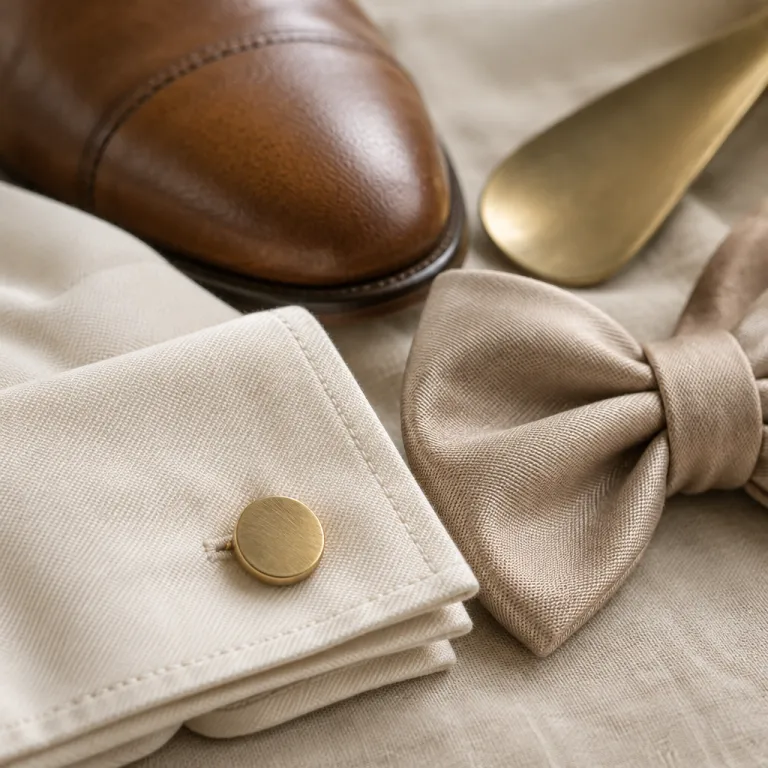
What dressing for dinner means in a modern country house hotel
The phrase “country house hotel dress code dinner” can sound intimidating at first. In reality, dressing for dinner in a country house hotel usually means a gentle shift from daytime practicality to evening polish, a shared agreement among guests to mark the transition from muddy paths to candlelit dining. Most house hotel teams now interpret the dress code as smart but relaxed, where a collared shirt or an elegant blouse feels right, and casual attire is refined rather than sloppy.
Across many a restored country house located in rolling countryside, the main dining room becomes the social stage once the dinner bell rings and the bar lights soften. Guests drift in from their rooms after a change of dress, moving from walking boots to loafers, from technical jackets to soft knits, and they immediately feel comfortable because everyone has made a similar effort. The result is a dining experience that feels special without becoming theatrical, where the focus stays on conversation, the menu and the rhythm of the evening.
For couples booking a country house stay, the question is rarely whether the hotel enforces strict rules, but how the house signals its expectations. Some properties mention a smart casual dress code for the main restaurant, while allowing more casual attire in the bar or on the terrace, which gives guests options. Others rely on tone instead of rules ; the language used to describe the dining room, the main menu and the style of service quietly suggests that a collared shirt, a simple dress or tailored trousers will sit better than gym wear.
The psychology of changing: from muddy boots to candlelight
The ritual behind any country house hotel dress code dinner is less about rules and more about resetting the day. After hours spent walking the grounds, reading by the fire or exploring nearby villages, changing clothes becomes a small ceremony that separates daytime activity from the evening’s dining experience. In a world of all day casual attire, that pause to change in your room is what tells your mind that something special is about to happen.
Luxury country house stays thrive on these small transitions, and the best hotel teams design them deliberately, including how they talk about dress and timing. You might return to your house hotel suite to find the curtains drawn, lamps dimmed and a printed main menu on the desk, suggesting what you will soon enjoy in the dining room. That gentle nudge, combined with a reference to the dress code in pre arrival emails or during reservations, helps guests feel comfortable about what to wear without feeling policed.
For couples, this reset is often part of the romance, especially when the country house is located far from their usual business hours and city routines. One partner pours a glass from a bottle wine while the other changes, and the conversation shifts from logistics to anticipation of the first course and the wines by the glass. If you are curious how these rituals fit into the wider world of estate traditions, the broader guide to exclusive country house stays and personalized service shows how dress, service and setting work together to create a sense of occasion.
Reading the house: signals, schedules and where formality lives
Not every country house hotel dress code dinner is written down, so learning to read the house matters. Start with the images on the hotel website ; if most guests in the photos wear a collared shirt, a simple dress or tailored separates in the dining room, that is your baseline. When the bar photos show jeans and knitwear, you can assume the bar is more relaxed, while the main restaurant leans towards smart casual attire.
Pay attention to how the country house describes its dining, including any references to private dining rooms, private events or family friendly spaces. A house hotel that highlights a formal multi course tasting menu in the main restaurant, with reservations recommended and a sommelier ready to open your bottle wine with or without a corkage fee, is likely to expect a slightly sharper dress code. By contrast, if the main menu is described as relaxed, with happy hour at the bar and a focus on sharing plates, the tone will be easier, even on a friday saturday when the dining room is busier.
Schedules also tell a story, especially when the hotel mentions thursday friday or weekend events in its communications. A property that promotes live music in the bar on a friday saturday evening, or seasonal celebrations around labor day and memorial day, often uses dress to differentiate spaces and times. Guests might wear more casual attire for happy hour in the bar, then step up their dress for a later seating in the main dining room, while private dining rooms host private events that can be either black tie or relaxed, depending on the host’s wishes.
What to pack: practical guidance for couples and families
Packing for a country house hotel dress code dinner need not be complicated if you think in layers. For men, one or two collared shirts, a lightweight blazer and dark trousers will cover most dining situations, from the main restaurant to a more relaxed bar supper. Women might bring a simple dress, tailored trousers with a silk top and a wrap or jacket, which can move easily from casual attire at the bar to a more polished look in the dining room.
Families should consider how the house handles children and whether the stay is truly family friendly in the evenings. Many country house properties welcome children in the main dining room at earlier hours, sometimes with a separate children menu and guidance on suitable children age for later seatings. After a certain time, often around the second or third course of the later service, younger guests may be gently steered towards the bar lounge or a private dining space, so adults can enjoy a quieter dining experience.
If you are unsure, email the hotel before you travel and ask directly about the dress code and any expectations around children age at dinner. Clarify whether denim is acceptable, whether sneakers are allowed in the main restaurant and how strictly they interpret smart casual attire on thursday friday or during peak events. For those planning private events or booking a private dining room, confirm whether a corkage fee applies for bringing a special bottle wine, and whether the house can arrange a slightly different dress tone for your group than in the main restaurant.
When formality welcomes, when it excludes and how to choose your house
The charm of a country house hotel dress code dinner lies in its ability to make the evening feel larger than life without becoming stiff. When handled well, the dress code becomes a quiet social contract that helps guests feel comfortable together, whether they are on a romantic break, a business retreat or a multi generation family stay. Problems arise only when formality is enforced without warmth, or when rules ignore the realities of travel, children and different cultures.
Some country house properties now experiment with different tones across spaces and days, using dress as one of several levers. A house hotel might keep the main dining room gently formal, with a clear dress code that suggests a collared shirt and no sportswear, while allowing very casual attire in the bar and on the terrace, especially around happy hour or relaxed sunday suppers. On busy thursday friday or friday saturday nights, they may lean into the sense of occasion with longer multi course menus, while keeping a shorter main menu in the bar for guests who prefer something simpler.
For travelers choosing where to stay, the key is alignment between your expectations and the house’s personality, which you can often sense from how they describe their dining, events and seasonal weekends around labor day or memorial day. Read between the lines, and look for mentions of private events, private dining, family friendly policies and how long dinner usually lasts in hours, because these details reveal how the country house thinks about evening rituals. For a deeper look at how rituals like the honesty bar, the boot room and the dinner bell shape the stay, explore this guide to country house rituals that define the stay, which sits at the heart of how dress, service and setting come together.
FAQ
Is black tie expected for a country house hotel dinner
Most country house hotel dress code dinner expectations stop well short of black tie. Smart casual attire is usually enough, meaning a collared shirt, tailored trousers or a simple dress, with clean shoes and no sportswear. If a property plans a very formal evening or private events, they will usually state black tie clearly in advance.
Can children dine in the main restaurant at a country house
Many country house hotels are family friendly, but policies vary by house and by children age. Some welcome children in the main dining room at earlier hours with a dedicated children menu, then encourage families to move to the bar or a lounge later in the evening. Always check with the hotel before making reservations, especially on busy thursday friday or friday saturday nights.
What should I wear if the dress code says smart casual
For a smart casual dress code in a country house, think polished but relaxed. A collared shirt, chinos or dark jeans and clean shoes work well for men, while women might choose a simple dress or tailored trousers with a blouse. Avoid gym wear, beachwear and overly distressed denim, and you will feel comfortable in both the bar and the main restaurant.
Is it acceptable to wear jeans to dinner in a country house hotel
Dark, well fitting jeans are often acceptable under a smart casual dress code, especially when paired with a collared shirt or an elegant top. Very casual jeans, such as ripped or heavily faded styles, may feel out of place in a formal dining room, even if they are fine in the bar. When in doubt, ask the hotel in advance or pack one alternative outfit for the main dining room.
Can I bring my own wine to a country house dinner
Some country house hotels allow guests to bring a special bottle wine for dinner, particularly for anniversaries or private dining occasions. In those cases, a corkage fee often applies, which covers service, glassware and the sommelier’s time. Always confirm the policy when you make reservations, so there are no surprises on the bill.