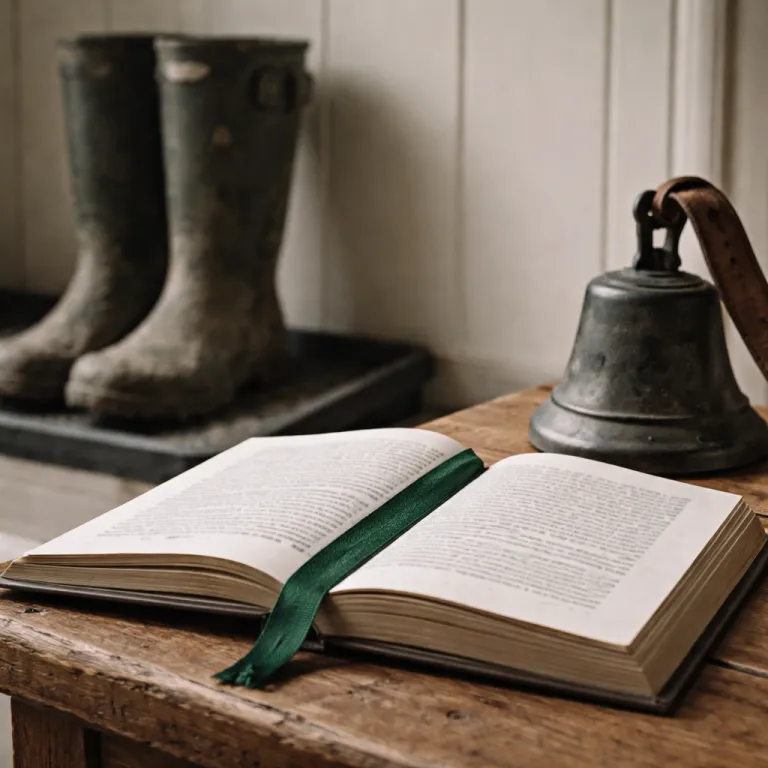
The quiet power of country house hotel communal spaces
A country house hotel lives or dies in its communal spaces. When you book a historic house in the country, you are really booking the library, the boot room and the drawing room as much as the guest rooms. The most characterful rural retreats understand that these shared rooms, not the spa or the lobby, define how you will remember each night.
Across Great Britain, from grade-listed manors in the Cotswolds to three villas stitched together in a Tuscan hamlet, the most successful house hotels treat communal areas as the emotional core of the property. Internal feedback from Countryhousestay.com shows that guests consistently mention shared lounges, libraries and gardens in their most positive reviews, and that the difference between a perfunctory lounge and a fully realised library can be the difference between a forgettable stay and the best country escape of your year. When you check into these hotels, pay as much attention to the log fire in the snug and the views from the morning room as to the size of the suites or the thread count on the sheets.
Countryhousestay.com review analysis for 2023–24 indicates that a clear majority of guests use at least one shared lounge or garden during their stay, which underlines how central these spaces are to the community feel of a country house. Luxury here is not about a showy lobby; it is about a boot room with lined-up wellingtons, a drawing room where a bell signals dinner and a library where adults and children quietly share the same sofa with different books. When you compare house hotels in France, Italy and Great Britain, the properties that curate these spaces with care consistently earn the strongest review scores and the highest rate of repeat bookings.
The library and drawing room: the intellectual heart of the house
Walk into a serious country house library and you feel the difference immediately. The shelves are not filled with decorative sets but with a working collection, often built over decades by an owner who reads, logs and annotates, rather than an editor who simply orders matching spines. In the best country house hotel communal spaces, the library is where you slip after dinner for one last glass, where the only sound is the log fire and the soft rustle of pages.
Look for libraries where the interior design respects the architecture, with original wooden beams left exposed and deep armchairs upholstered in cobalt blue wool or faded chintz. At places like Ham Yard–style town-and-country hybrids or long-established estates such as Cliveden and Bovey Castle, you see how serious collections, layered lighting and quietly worn rugs invite guests to linger. In Great Britain, many grade-listed houses cannot be structurally altered, so thoughtful hoteliers lean into this constraint, layering rugs, lamps and four-poster beds in adjacent guest rooms while keeping the library quietly timeless. In France and Italy, especially in regions like Emilia-Romagna and rural hamlets in northern Italy, you often find three villas combined into one hotel, with a shared library that links the different wings and frames views over vineyards or orchards.
The drawing room, morning room and smaller snugs each earn their place by mood and time of day, not by sheer size. Morning rooms catch the first light and the best views, making them ideal for a solitary coffee while you check the weather and plan a walk through the country. By night, the drawing room should feel like the social theatre of the house, with a dinner bell calling the community of guests to the table, adults and children drifting in from their family suite or more secluded bedrooms for an hour of conversation before bed.
The boot room and beyond: reading the estate from its mudroom
If you want to understand a country house hotel, start in the boot room. A generous boot room signals that the estate expects you to go outside, get muddy and come back with stories, rather than simply admire the country view from behind glass. When rows of wellingtons, Barbour jackets and walking sticks line up beside dog towels and baskets of logs, you know the hotel is serious about its landscape.
In Great Britain, many of the best country properties weave the boot room into a wider sequence of communal spaces, from drying rooms to informal snugs where you can warm up after a long walk. At hotels such as The Pig near Bath or Gilpin in the Lake District, you often move from boot room to bar to firelit lounge in a single, easy circuit. In Emilia-Romagna or around Minerbio in northern Italy, rural house hotels often adapt old farm outbuildings into boot rooms and bike sheds, creating a natural flow between vineyard paths, stables and the main house. The design here matters; hooks at the right height for children, benches deep enough for adults and children to sit together, and stone floors that can handle a wet Labrador all signal thoughtful interior design rather than an afterthought.
When you review options in France or Italy, pay attention to how clearly the hotel explains its outdoor programming and estate access, because the boot room is the physical expression of those promises. A property that offers guided walks, foraging, or truffle hunting usually has a boot room that feels like a small community hub, with maps, weather logs and perhaps a blackboard noting sunrise times. Hotels that skip this space often default to generic design, and you end up tiptoeing through a marble lobby in muddy boots, which breaks the easy rhythm that defines the best country stays.
Communal dining, family suites and the choreography of connection
Communal dining is where country house hotel communal spaces either shine or fall flat. A long table in a panelled dining room, lit by candles and anchored by a dinner bell, can turn a group of strangers into a community by the end of the night. When you book a country house, ask whether there are set dinner times, shared tables or a more traditional restaurant layout, because this choice shapes the entire social temperature of the house.
Properties that lean into shared dining often attract couples who enjoy conversation and families who appreciate a relaxed, family-friendly rhythm, especially when there is a well-designed family suite nearby for a quick retreat. In Great Britain, some of the best country house hotels still serve a fixed menu at a single sitting, with guests gathering first in the drawing room before moving through to dinner as the bell rings. In France and Italy, including regions like Emilia-Romagna, you may find three villas sharing one kitchen and dining room, where four-poster beds upstairs and rustic wooden beams downstairs create a full narrative from bedrooms to table.
For adults and children travelling together, the most successful hotels offer a mix of spaces; a quiet library for grown-ups, a games room or snug for younger guests and flexible suites that allow everyone to sleep well. When you read a review, look for mentions of how staff manage this choreography, because true luxury lies in the ease with which different generations share the same house. If you are planning a stay focused on food, explore guides to luxury country house retreats with a private chef on Countryhousestay.com, which highlight properties where the kitchen, dining room and garden form one coherent experience rather than three separate departments.
Designing for feeling, not flash: what modern country houses get wrong
Many modern conversions forget that a country house is not a city hotel in disguise. When owners chase a glossy, international look, they often erase the very quirks that make country house hotel communal spaces memorable. You see it in lobbies that feel like co-working spaces and in lounges where every cushion matches but no one actually lingers.
Current hospitality design research notes that modern hotel lobbies are evolving into social hubs with flexible seating, layered lighting and biophilic elements, yet luxury now prioritises how spaces make guests feel rather than how they photograph. Designer Jessica Lightbody argues that emotional comfort, privacy and authenticity matter more than overt opulence, while the Robb Report observes that hotels with big-name designers can start to feel predictable compared with properties that keep an independent spirit. In this context, the most successful country houses in Great Britain, France and Italy are those that let grade-listed quirks, wooden beams and uneven floors lead the interior design, rather than imposing a generic template.
When you check options on a booking site, look beyond the headline images and study the full sequence of communal rooms, from the library to the boot room and the garden paths in between. Ask yourself whether the cobalt blue velvet in the lounge feels rooted in the house or imported from a showroom, and whether the views from the morning room tell you anything about the surrounding country. A thoughtful hotel will make even its smallest guest rooms feel connected to the wider story of the house, while the best country properties in regions like Emilia-Romagna or near Minerbio weave three villas, multiple suites and varied communal spaces into one coherent, lived-in whole.
Practical checklist for choosing the right country house communal life
Before you book, create a simple checklist focused on communal spaces rather than only on room size. Start with the basics; is there a genuine library, a comfortable drawing room, a boot room and at least one garden or terrace with open views? Hotels that score well on this list usually deliver a richer sense of community and a more relaxed rhythm from morning to night.
Next, read how the hotel describes its guest rooms, family suite options and larger suites, because this language often reveals whether the property understands how adults and children travel together. A house that mentions family-friendly snugs, flexible dining for different ages and clear quiet hours is usually thinking about the full guest journey, not just the design of individual rooms. In Great Britain, France and Italy, pay attention to whether the property is grade-listed or a newer build, since historic status often protects the proportions of key communal rooms and preserves original wooden beams that give the house its character.
Finally, look for small but telling details in each review; mentions of a log fire that is actually lit, a dinner bell that still rings, or a host who keeps a handwritten log of walks and local tips in the hall. When you see repeated praise for the way staff curate the library, manage the boot room or host communal dinners, you are likely looking at one of the best country options in that region. Whether you are heading to Great Britain, the vineyards of Emilia-Romagna, the plains near Minerbio or a hillside in France, choosing a house where communal spaces are treated as the heart of the hotel will almost always lead to a more memorable stay.
FAQ about country house hotel communal spaces
What communal spaces are typically available in a country house hotel ?
Most country house hotels offer at least a lounge, a dining room and access to gardens or terraces, with many also providing a library or snug. Some properties add boot rooms, games rooms or small wellness areas, especially in larger estates. Lounges, dining rooms, gardens, and sometimes libraries are the most common shared spaces.
Do communal spaces in country house hotels require reservations ?
Shared lounges, libraries and gardens are generally open to all guests without reservations, functioning as informal gathering places throughout the day. Dining rooms may require you to check preferred times, especially when there is a single sitting or communal table. Private rooms or sections of communal areas can occasionally be reserved for events, so it is wise to ask the hotel in advance.
Are communal spaces accessible to all guests, including families ?
In most family-friendly country houses, communal spaces are open to both adults and children, although some libraries or bars may have quiet hours or age guidelines in the evening. Properties with a strong focus on couples sometimes create adults-only snugs while still offering family suites and more relaxed lounges for mixed groups. When in doubt, review the hotel policy or contact the property directly before you book.
How can I assess the quality of communal spaces before booking ?
Study photos of the library, drawing room and gardens as carefully as you examine guest rooms, looking for signs of real use such as books, logs and layered lighting rather than purely decorative styling. Read guest reviews that mention the atmosphere at night, the comfort of seating and whether people actually spend time in these rooms. If the hotel website barely shows communal areas, that can be a signal to check more detailed reviews on specialist platforms.
What etiquette should I follow in shared spaces at a country house hotel ?
Keep noise to a considerate level, especially in libraries and smaller snugs, and avoid taking long calls in quiet rooms. Respect any informal seating rhythms, such as leaving window seats free at breakfast when the room is busy, and follow dress suggestions for communal dinners if they are provided. Above all, treat the house as you would a private home, which is the unspoken code that keeps these spaces relaxed for everyone.