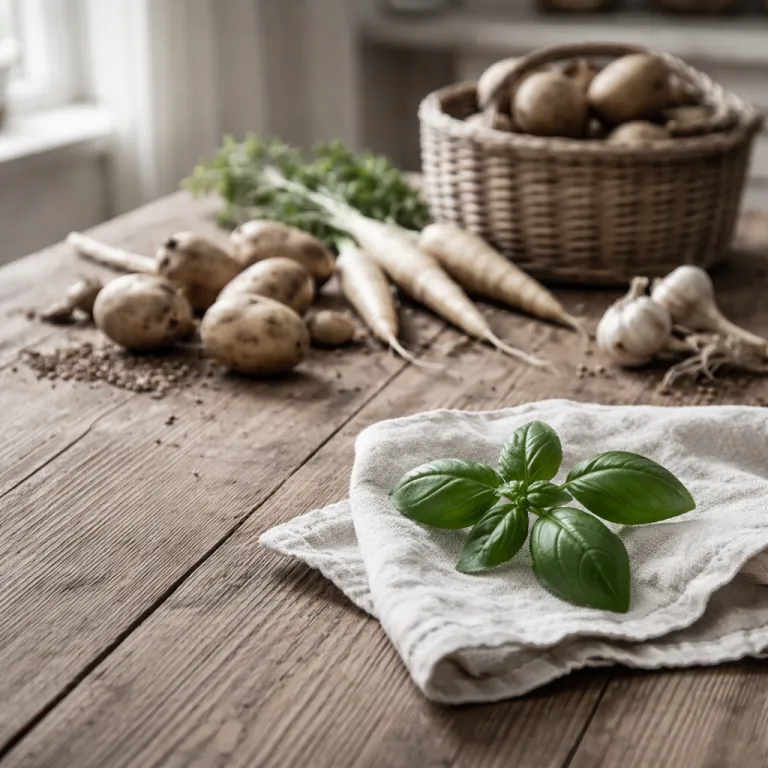
Estate to table country house dining redefined
Estate to table country house dining is not a slogan; it is a working philosophy that starts in the soil and ends on your plate. In the best country houses, the chef walks the farm and gardens at first light, reading the land, the water, and the weather before deciding which table will taste which harvest that evening. This level of control over the estate, from orchard to dining room, creates a rhythm of meals that feels intimate, seasonal, and quietly luxurious.
Farm to table restaurants often rely on regional suppliers, but estate-based country house dining keeps ingredients within walking distance, sometimes just a few steps across a gravel path lined with white roses and pale paint color doors. That proximity means vegetables are pulled from the farm soil minutes before service, herbs are snipped while the stock simmers, and fruit is picked at the exact moment when the grain of its skin glows in the late afternoon light. Over years of careful planning, these estates map which valley plots suit root vegetables, which top fields suit grazing, and which sheltered corners nurture espaliered cherry and apple trees.
Guests feel this difference the moment they sit at a farm table or polished dining table made from oak or maple, the wood rubbed with natural oils rather than harsh varnish. The table top might be a single piece of furniture-grade pine, its grain echoing the surrounding forest, or a darker cherry slab that frames the color of a cabernet sauvignon poured from a nearby vineyard. In the United States and the United Kingdom, industry guides such as the Michelin Guide and Relais & Châteaux now list roughly fifty estate-led restaurants and country houses that operate this way, and they are reshaping expectations of what rural dining can be.
From kitchen garden to plate: how leading estates work
Some properties have turned estate to table country house dining into a finely tuned collaboration between gardeners, farmers, and chefs. At Marle at Heckfield Place in Hampshire, where Skye Gyngell helped shape the original culinary direction, the kitchen team builds menus around what the estate farm can supply that week, from farm-fresh brassicas to soft fruit that barely touches a crate before reaching the pass. The Dining Room at Biltmore in the United States follows a similar model, emphasizing estate-raised and local ingredients that keep the carbon footprint lower than a long supply chain ever could.
Salomons Estate in Kent shows another side of this movement, pairing traditional Sunday brunch style roasts with produce grown on or near the estate, served in historic rooms where the light falls across white linen and dark wood paneling. These dining rooms are not museum pieces; they are working spaces where the choice of paint color, the feel of the oak furniture, and the placement of each dining table support a calm, unhurried meal. For travelers who want to extend this sensibility to other regions, some luxury Australian retreats now weave kitchen gardens, foraging, and low-impact menus into their stays, offering rich culinary journeys and nature escapes for food lovers.
Estate-rooted dining also thrives beyond Europe, from Napa Valley to Anderson Valley and the hills above Santa Barbara, where wineries pair their cabernet sauvignon with menus shaped by on-site gardens. In these valleys, chefs might add a last-minute salad of farm-fresh leaves because the morning harvest was generous, or shift a planned course on the menu when a storm affects the tomato crop. Guests booking through curated platforms can filter for properties where the farm, the dining room, and the landscape form one coherent experience rather than separate amenities.
The chef gardener alliance and guest facing experiences
The most compelling estate to table country house dining begins with a simple habit; the chef and head gardener walk the grounds together, often daily. They talk about which beds of pine-scented herbs are thriving, which maple-shaded corners hold enough moisture, and which rows of grain or leafy greens will peak in the coming days. That conversation shapes not only the evening menu but the entire guest experience, from welcome drinks to the last course at Sunday brunch, and it often informs how the dining room is laid out for the night.
When a chef knows that a particular cherry tree in the lower valley will ripen all at once, they plan a short-lived dessert, perhaps served on a white plate that lets the fruit color sing. If a dry spell lowers the water table, the gardener may suggest shifting focus from thirsty crops to resilient varieties, prompting a creative change in the kitchen that guests experience as a surprising new dish. Over years, this constant dialogue builds trust, and the estate becomes a living larder rather than a backdrop, with oak groves, farm plots, and herb borders all contributing to the dining narrative and the way each room is used.
Guests are increasingly invited into this alliance through garden tours, foraging walks, and hands-on cooking classes that explain how estate to table country house dining reduces long-term environmental impact. A morning stroll might end at a farm table under a maple or oak tree, where a family-style lunch showcases farm-fresh vegetables, local grain breads, and estate-pressed juices. Some properties offer gift cards that bundle these experiences, allowing couples to book a stay, a guided walk, and a tasting menu as one thoughtful element in their travel plans rather than separate add-ons.
Design, ambiance, and the tables that frame the meal
In serious country houses, the dining table is never an afterthought; it is the stage on which estate to table country house dining unfolds. Designers choose wood species with care, pairing pale pine or maple with bright, farm-fresh salads, and deeper oak or cherry with slow-cooked game and robust cabernet sauvignon. The grain of each table top catches the light differently, influencing how the color of sauces, vegetables, and wines appears to the eye.
Many heritage estates commission a single piece of furniture for the main dining room, often a long farm table that can host both intimate couples and larger family-style gatherings. Its rubbed finish, achieved through years of hand polishing rather than synthetic coatings, feels warm under the fingertips and echoes the tactile pleasure of breaking crusty bread or lifting a heavy water carafe. Chairs are chosen to encourage lingering, with upholstery that respects the original architecture yet allows guests to relax through a multi-course meal.
Smaller rooms might feature several tables, each positioned to frame a view of the valley, the farm, or a walled garden where the next course is quietly growing. In some properties across the United States and Europe, designers now consider the carbon footprint of every material, from the paint color on the walls to the source of the wood used for furniture. For travelers comparing options, it is worth reading beyond the marketing gloss and paying attention to content about design details, because these choices often signal how seriously an estate takes its overall hospitality philosophy.
Economics, sustainability, and choosing your estate stay
Running a true estate to table country house dining program is rarely the cheapest route for owners, yet it can be the most resilient and profitable over the long term. Establishing a working farm, managing water resources, and maintaining soil health require investment, but they reduce reliance on volatile external supply chains. When guests understand that their menu reflects what the estate can genuinely grow, they tend to value the experience more and accept seasonal changes with enthusiasm rather than disappointment.
From an environmental perspective, sourcing from the estate or nearby farms lowers transport emissions and helps control the carbon footprint of each meal. Working with local artisans for furniture, tableware, and even the oak or maple used in the dining room supports regional economies and avoids the hidden impact of shipping heavy furniture pieces across continents. For couples planning romantic escapes, this alignment between design, sourcing, and cuisine often feels more meaningful than any generic luxury amenity.
When browsing a curated booking platform, look for detailed descriptions of the farm, the gardens, and the dining philosophy rather than vague promises of local food. Properties that mention specific crops, named gardeners, and clear estate to table country house dining practices usually deliver more authentic stays, whether in the hills above Santa Barbara or in quieter corners of the United States. For travelers who appreciate this depth, even a stay in a refined bed and breakfast style property can feel elevated when the breakfast eggs, the bread grain, and the herbs on the table all come from just beyond the window.
Frequently asked questions about estate to table country house dining
What is estate to table dining in a country house context ?
Estate to table dining means that a significant share of ingredients comes directly from the country house’s own farm, gardens, or orchards. This approach differs from broader farm to table models that may rely on distant suppliers, even if they are small scale. In an estate setting, the proximity between soil, kitchen, and dining room creates a tighter feedback loop and a more distinctive sense of place.
How is estate to table different from farm to table ?
Farm to table restaurants often buy from several independent farms across a region, while estate to table country house dining focuses on what can be grown or raised on the property itself. This gives chefs more control over varieties, harvest timing, and growing methods, but it also demands careful planning and investment. Many estates still collaborate with nearby farmers for items they cannot produce, yet the core of the menu remains rooted in their own land.
Do I need reservations for country house estate restaurants ?
Yes, reservations are usually recommended because seating is limited and menus are tightly planned around expected guest numbers. When a kitchen relies on its own farm, it cannot simply order extra produce at the last minute without compromising quality. Booking ahead also allows the team to accommodate dietary needs within the constraints of what the estate can provide.
Can estate to table venues handle dietary restrictions ?
Many estate-led restaurants can adapt menus for vegetarian, vegan, or gluten free guests, but they appreciate advance notice. Because they work with what the farm and gardens yield, substitutions require creativity rather than a separate pantry of packaged alternatives. Informing the property when you reserve gives the chef time to plan dishes that respect both your needs and the estate’s seasonal rhythm.
How can I tell if a property is serious about its estate program ?
Look for specific information about on-site gardens, named farmers or gardeners, and clear references to how the menu changes with the seasons. Properties that simply mention local or organic food without detail may be buying from wholesalers rather than running a true estate to table country house dining program. Reviews that describe garden tours, foraging walks, or visible kitchen gardens are strong indicators that the estate treats its land as the heart of the experience.