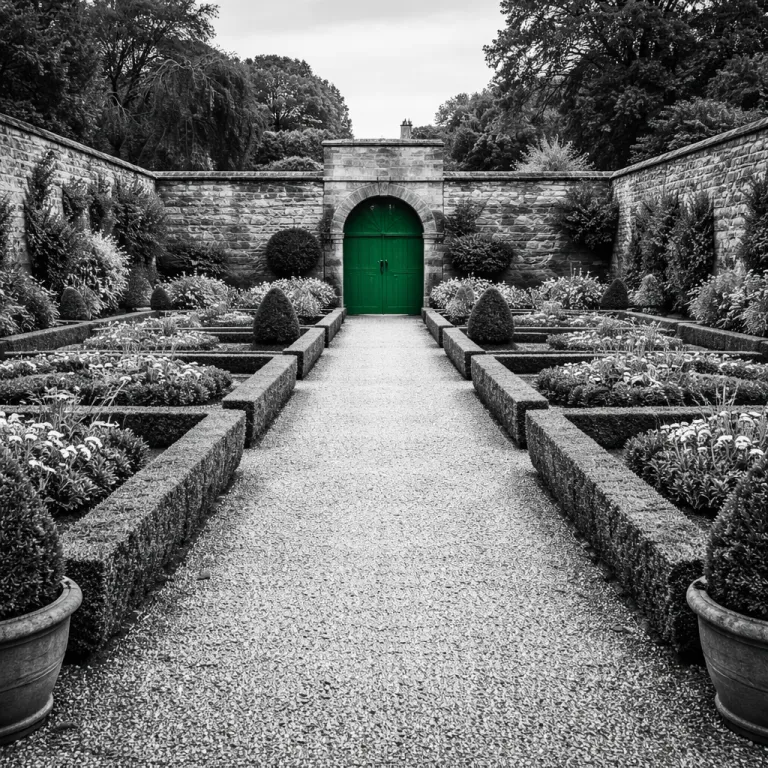
Country house hotel garden experiences: how walled gardens shape the stay
Why the walled garden defines a true country house hotel garden experience
A serious country house treats its garden as a working stage, not a backdrop. When you book a stay in a historic estate, the walled garden quietly reveals how the house, the land and the hotel team think about hospitality. Walk through the gate and you will discover whether this is just another country property with pretty lawns or a place where the landscape shapes every room, every plate and every moment.
Across the best country house hotels, the grounds are where values become visible, from how the kitchen sources herbs to how the spa designs its rituals. A thoughtful country house hotel garden experience shows up in the way paths are laid for slow walks, how the pool is framed by natural beauty and how the bar uses fruit from espaliered trees. If you are choosing between several house hotels, ask yourself which estate treats its gardens as the gravitational centre of the stay rather than a decorative extra.
Historic estates make this especially clear because the garden often predates the hotel by centuries. At Gravetye Manor, an Elizabethan country house hotel surrounded by gardens of national importance, the original landscape design by William Robinson still guides how guests move from hall to lake and from dining room to terrace. This kind of Grade II* listed context means the garden is not a marketing flourish but the organising principle of the whole house, and it is where a couple will find the most peaceful, rejuvenating moments of their trip.
Historic estates where the garden leads the stay
Some properties build their entire guest journey around the garden, turning a simple hotel stay into a layered country house hotel garden experience. Gravetye Manor is a textbook example, with rooms that look directly onto wild yet controlled borders and a Michelin starred restaurant that treats the surrounding estate as its pantry. As head gardener Tom Coward has noted in interviews, the planting is planned “with the plate in mind”, so couples who book a room here quickly understand that the best country stays are those where the garden dictates the pace of the day, from early walks to late drinks under climbing roses.
In Italy, Borgo Conde Wine Resort near Forlì takes a different approach, pairing a restored country estate with manicured lawns, vineyards and long views across the Romagna landscape. Here the pool sits just beyond the main house, edged by gardens that feel almost architectural, and the dining spaces open straight onto terraces scented with herbs and citrus. When you book this hotel through a curated guide to the top premium country houses in Europe, you are really booking into a garden led way of living, where each room frames a different slice of the estate.
Raithwaite Sandsend, a coastal country retreat and spa near Whitby, shows how a less formal landscape can still anchor a refined country house experience. Instead of clipped parterres, you step from the hall into woodland gardens that blur into the surrounding natural beauty, with trails leading down towards water and quiet seating for afternoon tea. For couples, this kind of setting turns a simple room book into a full immersion in the estate, where the garden, the spa and even the bar all feel like extensions of the same thoughtful house.
From garden to kitchen: how chefs and gardeners shape the estate
The most convincing country house hotel garden experience always runs straight into the kitchen. When a chef can walk from the dining room to the garden and pick what will appear on the menu that evening, you feel it in every course. It is not the room upgrade that matters here but the walled garden where the kitchen team chooses herbs, fruit and vegetables while the couple lingers over a drink at the bar.
At Gravetye Manor, the relationship between gardener and chef is almost symbiotic, with planting plans designed around the restaurant’s fine dining ambitions and more relaxed afternoon tea services. Ashford Castle in Ireland follows a similar rhythm, using its historic estate gardens and polytunnels to supply both the main restaurant and more casual dining rooms that open onto the lawns. When you book a table at either property, you are effectively booking into the seasonal life of the garden, which shapes everything from breakfast fruit to late night snacks brought up to your room.
This estate to table thinking now stretches far beyond one country or one house, influencing properties from classic manors to contemporary retreats such as Sikelia on Pantelleria, which has been profiled for its cinematic country house escapes. A serious hotel will often share garden maps, planting calendars or even offer kitchen garden tours that start in the hall and end beside the compost heap, making the whole process transparent. For couples planning a romantic stay, these details turn a simple hotel booking into a richer engagement with the land, the house and the people who care for both.
Wellness in the garden: quiet rituals, pools and peaceful rejuvenating stays
Wellness travellers now expect more than a polished spa and a large pool when they book a country house stay. The most rewarding estates weave wellness into the garden itself, using paths, planting and water to create a naturally calming rhythm. A thoughtful country house hotel garden experience might start with a slow walk from the hall to a lake, continue with a herbal treatment in a spa pavilion and end with a quiet drink in a private corner of the garden.
Raithwaite Sandsend illustrates this beautifully, with woodland gardens that wrap around the spa and create a sense of enclosure without feeling closed in. Couples move between pool hot zones, hot tub decks and treatment rooms that all look onto trees, rather than car parks or service yards, which makes the whole stay feel more peaceful, rejuvenating. Dog friendly policies here mean you can share those garden walks with a four legged companion, while still keeping certain lawns and rooms reserved as adults only spaces.
Other estates lean into water as a wellness anchor, placing a pool beside a lake or carving out a series of smaller pools within the gardens for a more intimate feel. When you book a room at these house hotels, pay attention to how the spa connects to the wider estate rather than sitting as a separate block. The best country properties let you move barefoot from room to garden, from hot tub to bar and from afternoon tea in the dining room to a twilight stroll, all without ever feeling rushed or observed.
How to read a garden: spotting genuine programmes when you book
Not every lawn and flowerbed signals a meaningful country house hotel garden experience, so it pays to read the signs before you book. A genuine programme usually shows up in the details, such as named gardeners, clear references to the estate on the restaurant menu and thoughtful information in each room about seasonal planting. When you look at photos of the house and gardens, check whether paths feel walked, beds look productive and the pool sits comfortably within the landscape rather than floating in a sea of paving.
Serious house hotels often extend the garden story into other parts of the stay, from garden themed gift vouchers to kids club activities that involve planting or foraging. You might find a coach house converted into a garden classroom, a bar that uses herbs from the kitchen garden or a spa that bases treatments on plants grown within the estate. When you book a room through a specialist platform such as countryhousestay.com, you will find that the best country properties are those where the garden, the house and the hotel operations all feel tightly interwoven.
Before you commit to a particular country house, ask practical questions about garden access, from private seating areas to whether afternoon tea can be served outdoors near the lake or in a sheltered garden corner. Check if the restaurant offers fine dining menus that change with the garden seasons and whether you can book a table that overlooks the main borders or a quieter inner courtyard. A property that welcomes muddy boots in the hall, provides maps for self guided walks and treats the garden as an extension of every room is far more likely to deliver the kind of natural beauty focused, peaceful, rejuvenating stay that couples remember long after they leave.
Frequently asked questions about country house hotel garden stays
What is a country house hotel and how does the garden fit in?
A country house hotel is a property in a rural or semi rural setting, often in a historic building that once served as a private house. The garden is usually central to the estate, shaping views from the rooms, the layout of the spa and the atmosphere of the bar and restaurant. When the grounds are treated as part of the living house rather than decoration, they become the heart of the guest experience.
Are garden tours usually included in a country house stay?
Many country house hotels offer garden tours as part of the stay, especially on historic estates where the grounds are of national or regional importance. Some properties schedule regular walks led from the hall by a head gardener, while others arrange private tours that can be booked in advance. It is always worth checking tour times when you book your room, particularly if the garden was a key reason for choosing that hotel.
How do gardens influence dining at country house hotels?
Gardens increasingly shape dining at country house hotels through estate to table menus that rely on produce grown on site. Chefs work closely with gardeners to plan crops that will support both fine dining experiences and more relaxed afternoon tea or bar menus. Guests feel this connection when they see garden ingredients named on the menu, taste herbs picked that morning or enjoy a dining room that opens directly onto the kitchen garden.
What should couples look for when booking a garden focused stay?
Couples should look for clear signs that the garden is integrated into the whole estate, from room views and spa design to restaurant menus and seasonal events. Properties that offer garden maps, flexible outdoor dining, dog friendly walking routes and thoughtful seating near water or within walled gardens usually take the landscape seriously. Reading recent descriptions from trusted travel publications and specialist platforms can help you identify which house hotels truly put the garden at the centre of the stay.
Do these hotels usually offer facilities like pools, hot tubs and kids clubs?
Many country house hotels combine historic gardens with modern facilities such as indoor or outdoor pools, hot tubs, spa suites and well designed kids clubs. The most successful estates place these elements carefully within the gardens so that families, couples and solo travellers can all enjoy the natural beauty without disturbing one another. When you book, check how these facilities are arranged across the house and grounds to ensure they match the kind of peaceful, rejuvenating stay you are seeking.
