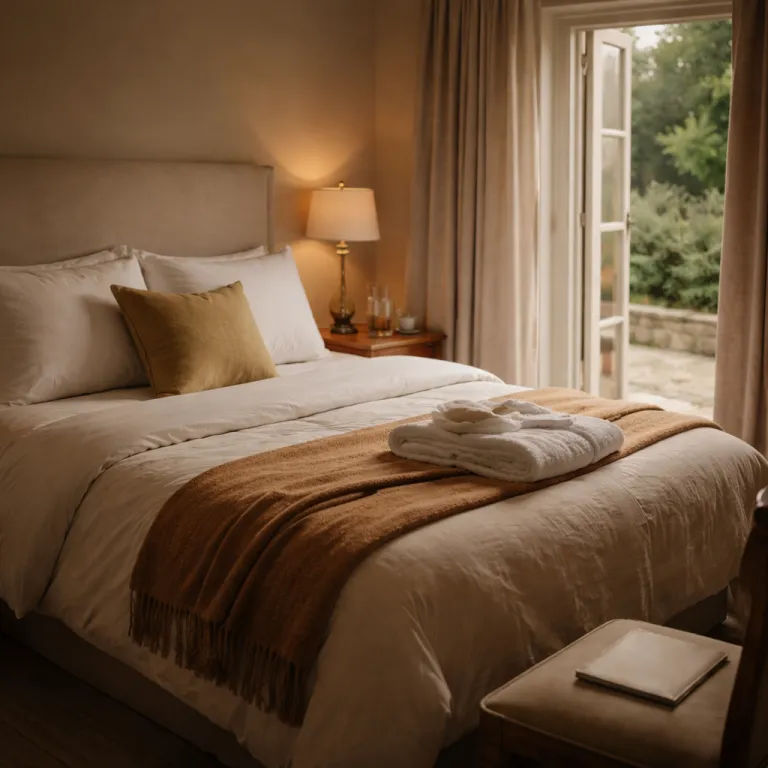
Understanding what a real country house hotel offers
Learning how to choose a country house hotel starts with clear definitions. A genuine country house hotel is a historic residence in the countryside where the building, the surrounding land and the welcome feel inseparable, and where the hotel team understands that guests value character as much as comfort. When you read any hotel description, look for clues about the century of the main house, the surrounding country landscape and how the owners talk about their own rooms and drawing room rather than generic facilities.
Industry bodies such as UK Hospitality broadly describe a country house hotel as “a hotel located in a rural setting, often a converted stately home, offering a homelike experience”, and that simple line is a powerful review filter when you compare hotels. Before you book, check availability and see whether the property explains its history clearly, mentions original wood panelling or fireplaces, and describes how bedrooms in the main house differ from newer rooms in any wings. If the marketing copy could fit any city hotel, you are probably not looking at one of the best country house hotels for an atmospheric night away.
Authenticity also shows in how the hotel relates to its country setting and local community. When you read a full review from an expert or a guest, notice whether they mention walking routes from the house, views over a lake or loch, or the sound of owls at night rather than traffic. A strong country house will usually highlight its restaurant as a place where the chef uses produce from the estate gardens or nearby farms, which is a better sign than a long but anonymous menu.
Questions to ask about history, architecture and sense of place
The most rewarding way to approach how to choose a country house hotel is to interrogate its story and reviews together. Ask which century the main house dates from, how many rooms sit in the original manor house and how many are in newer buildings, and whether the owners have preserved key architectural features. When you read each review, look for mentions of creaking staircases, carved wood bannisters, poster beds and a drawing room with shelves of actual books rather than staged décor.
Historic estates such as hotel Endsleigh, Heckfield Place, Estelle Manor, Lime Wood and other grand house hotels in the Lake District or near Loch Lomond show how powerful this sense of place can be. In these hotels, the relationship between the house, the gardens and the wider country landscape matters more than the latest gadget in your room, and the best hotels explain that relationship in detail on their booking pages. When you check availability, pay attention to whether the hotel maps out walking routes, names specific trees or lakes and describes how the restaurant menu changes with the garden seasons.
For travellers who value heritage, a good tactic is to read at least one expert full review and one guest review check before you book. The expert will usually comment on restoration quality, the balance between old wood and new comforts, and whether the bedrooms in the main house feel coherent with the public rooms, while guests will tell you how it feels at night when the house quietens. If you are drawn to more far flung estates, curated guides to unique luxury country homes and refined stays in exceptional estates can help you shortlist properties that treat history as a living asset rather than a marketing slogan.
Evaluating rooms, bedrooms and the atmosphere after dark
Once you have confirmed that the house is genuine, the next step in how to choose a country house hotel is to study the rooms in detail. Do not stop at the headline room count; instead, read how the hotel describes its bedrooms, whether they sit in the main house or in converted stables, and how the style changes between categories. A thoughtful hotel will explain which rooms have poster beds, which overlook the gardens or an outdoor pool, and which are better for a quiet night away from the restaurant terrace.
Look for floor plans, photographs taken from several angles and clear information about room size in square metres, ceiling height and natural light. When you check availability, see whether the booking engine lets you choose specific rooms or only generic categories, because the best hotels know that regular guests often book the same room or the same side of the house. If you are planning a longer stay, read at least one full review that mentions how the rooms feel after several nights, whether the wood floors creak charmingly or intrusively and how effective the curtains are at blocking early country light.
Atmosphere after dark is where many house hotels either shine or fail. An expert review check will usually mention whether guests linger in the drawing room with a drink, whether the main house corridors feel warmly lit or gloomy, and how staff manage the transition from day walks to evening service. For travellers seeking privacy, some estates also offer private country house stays within the same grounds, giving you access to the restaurant, swimming pool or outdoor pool while keeping your own bedrooms and living room entirely separate from the main house.
Reading reviews like an expert and spotting red or green flags
Most travellers know they should read reviews, but fewer know how to read them with a country house lens. When you are working out how to choose a country house hotel, focus less on generic hotel complaints and more on comments about welcome, warmth and rhythm of the day. A short review that mentions the drawing room fire being lit on a rainy afternoon tells you more about the house than a long list of amenities.
Start with professional critics or an experienced expert, then move to guest reviews for pattern spotting. In both cases, pay attention to how often people mention staff by name, whether they describe the restaurant as a place they wanted to linger and whether they talk about the grounds in detail, because these are strong signs of one of the best country house hotels. When you see repeated praise for breakfast sourcing, estate honey or vegetables from the walled garden, you can be confident that the hotel understands its country context.
Red flags are surprisingly consistent across house hotels in any country. Be wary of stock photography that shows no specific rooms, a booking page that lists only generic facilities such as “restaurant” and “swimming pool” without describing the spaces, or a website that never mentions the century of the main house. Another warning sign is when multiple guests mention noise from events late at night without clear communication from the hotel, because that can turn even the best hotels into a frustrating experience.
Balancing price, value and the right kind of luxury
Price is visible at the moment you check availability, but value takes more work to understand. For country house hotels, value often lies in the relationship between the nightly rate, the quality of the welcome and the depth of the experience rather than in the sheer size of the room. A slightly smaller bedroom in a characterful manor house with a generous drawing room and a well run restaurant can feel far more luxurious than a vast but anonymous suite in a city hotel.
Recent hospitality data from providers such as SiteMinder and Hotels.com indicates that a growing share of travellers now choose superior or luxury rooms, and that shift is especially visible in historic house hotels where guests want to feel part of the main house rather than hidden in an annexe. When you book, compare not only the room rates but also what is included in the night: breakfast sourcing, access to the swimming pool or outdoor pool, guided walks or garden tours and whether the hotel charges extra for simple pleasures such as tea in the drawing room. In many cases, the best country value comes from properties that invest in staff training, estate maintenance and thoughtful design rather than in flashy but rarely used technology.
Luxury in this context is increasingly understated and experiential. When you read a full review, look for mentions of how the house smells of wood smoke in winter, how the bedrooms feel after a muddy walk or how the restaurant team handles dietary needs with ease, because these details signal a hotel that understands modern expectations. If you are comparing options across regions, curated lists of exceptional hotels in destinations such as Brazil can help you benchmark what the best hotels deliver at each price point, even if the architecture and landscape differ from a traditional English country house.
Matching specific estates to your travel style and priorities
The final step in how to choose a country house hotel is to match real properties to your own travel style. Solo explorers often prioritise a welcoming drawing room, a bar where it feels natural to read alone and a restaurant team that remembers your name after the first night. Families might care more about an outdoor pool, flexible bedrooms and easy access to the wider country for walks or cycling.
Named estates can help you calibrate your preferences before you book. If you like the idea of a romantic valley setting with serious gardens, study how hotel Endsleigh presents its main house, rooms and restaurant, then compare that to the more contemporary style of Heckfield Place or the club like atmosphere of Estelle Manor. For a woodland retreat with a strong focus on spa and swimming pool design, Lime Wood offers another reference point, while lakeside properties in the Lake District or near Loch Lomond show how water changes the mood of a house hotel stay.
As you narrow your shortlist, use a structured review check for each hotel: history and century of the house, relationship to the country landscape, clarity of room descriptions, restaurant sourcing, staff warmth and night time atmosphere. Then book the property that scores highest on the factors you personally value, not the one with the most stars or the longest amenity list. When you approach house hotels with this mindset, you turn every booking into a considered choice rather than a gamble, and your chances of finding the best country retreat for your next trip rise dramatically.
Key statistics for choosing a country house hotel
- Across the United Kingdom, industry estimates suggest that around 500 properties are classified as country house hotels, which means travellers have a wide but finite pool of historic estates to compare when planning a rural stay (approximation based on UK Hospitality Association category data and trade press summaries rather than a single official census).
- The average occupancy rate for country house hotels is often reported at roughly 70–75 percent, indicating strong and steady demand that makes early booking and timely availability checks essential for peak weekends (rounded figure drawn from recent Hospitality Industry Report overviews and regional benchmarking studies).
- Global accommodation data from the Hotels.com Price Index suggests that four star hotels frequently provide the best balance between price and experience, while some international five star hotels can be more than a quarter cheaper than equivalents in major US cities, a useful benchmark when assessing value in high end house hotels (figures based on the most recent published Price Index at the time of writing).
- Design research from firms such as DLR Group and Elkay Interior Systems highlights biophilic design and flexible communal spaces as defining trends in contemporary hotels, which aligns closely with the way successful country house hotels use gardens, terraces and drawing rooms to create restorative environments (synthesised from their hospitality white papers and case studies).
- Industry surveys, including SiteMinder accommodation trend reports, indicate that a growing share of travellers now choose superior or luxury rooms, a pattern that reinforces the importance of detailed room descriptions and transparent photographs when you check availability at any historic house hotel (trend based on aggregated booking data rather than a single property sample).
FAQ about choosing a country house hotel
What defines a genuine country house hotel compared with other rural hotels ?
A genuine country house hotel is usually a historic manor house or stately home in a rural setting where the main house, gardens and surrounding country landscape form a coherent whole. The building often dates from at least one earlier century and retains original features such as fireplaces, wood panelling or a traditional drawing room. Service tends to be more personal than in standard hotels, with staff treating guests as temporary residents of the house rather than anonymous room numbers.
How can I verify the authenticity and history of a country house hotel ?
Start by reading the hotel’s own history page and looking for specific dates, former owners’ names and architectural details rather than vague heritage claims. Then cross check this information against expert reviews, guidebooks or local tourism board material to confirm that the house really is what it says it is. When possible, look at photographs of the main house exterior, the staircase and the drawing room, because these spaces are harder to fake than a single refurbished room.
Are country house hotels suitable for families or solo travellers ?
Many country house hotels are very suitable for both families and solo travellers, but the fit depends on layout and atmosphere. Families should look for interconnecting bedrooms, safe gardens, an outdoor pool or swimming pool and flexible restaurant options, while solo guests might prioritise a welcoming bar, quiet corners to read and staff who are attentive without being intrusive. Reading a mix of guest reviews will help you understand whether the house feels relaxed and inclusive or more formal and couple focused.
What questions should I ask before booking a stay in a historic house hotel ?
Before you book, ask about the age of the main house, the number of rooms in the original building versus newer wings and any recent renovations that might affect character. Clarify what is included in the nightly rate, from breakfast and access to the swimming pool to guided walks or garden tours, and check availability for the specific room type you want rather than accepting a vague category. It is also wise to ask about restaurant opening days, dress codes and whether any large events are scheduled during your dates, as these can change the atmosphere of the house at night.
How should I balance location, amenities and price when choosing between several country house hotels ?
Begin by deciding how important proximity to specific attractions, such as the Lake District or Loch Lomond, is for your trip, then shortlist only hotels in those areas. Next, compare the character of each house, the quality of the restaurant and the feel of shared spaces like the drawing room, because these elements shape your experience more than marginal differences in room size. Finally, weigh the nightly rate against what is included and the depth of the experience described in expert and guest reviews, choosing the property that offers the richest sense of place within your budget.
References
- SiteMinder – global accommodation booking and traveller preference data (trend reports and booking behaviour analysis based on anonymised platform statistics).
- Hotels.com Price Index – comparative pricing for four star and five star hotels worldwide (annual benchmarking of average daily rates and regional price movements).
- DLR Group and Elkay Interior Systems – hospitality design research on biophilic design and communal spaces (published white papers and hotel design case studies used as secondary sources).