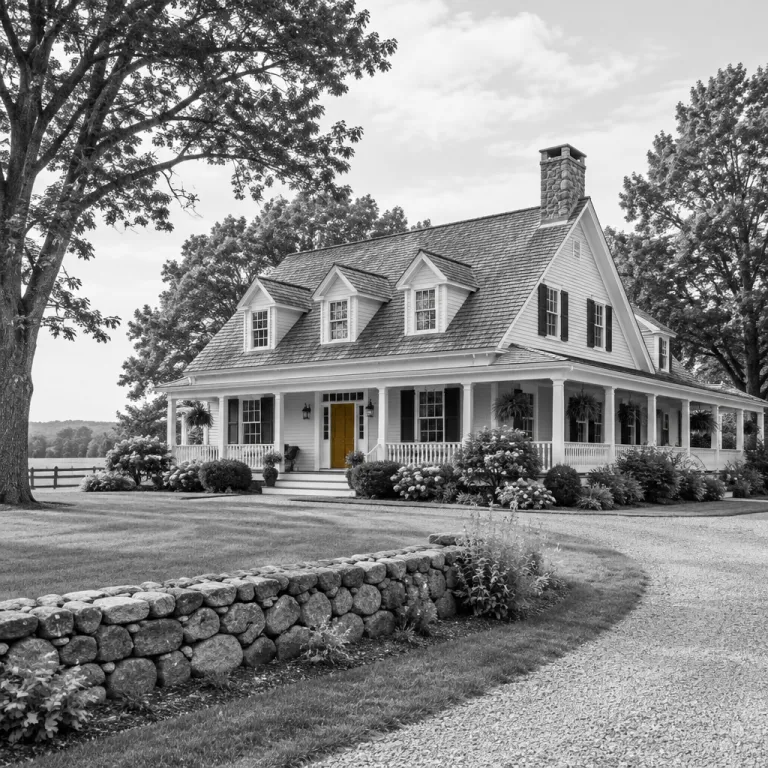
What an American inn shares with an English estate
A New England country inn in autumn offers the same slow rhythm and sense of enclosure that travellers love in rural England. Where an English estate might marshal lawns and stone, a New England retreat leans into clapboard, porches and maples, yet both settings frame the guest against a carefully tended landscape. You still arrive as a guest rather than a customer, and the inn or house quietly signals that your stay will be measured in conversations, not minutes.
At the heart of both worlds sits the main house, with guest rooms gathered around a central dining room and firelit lounges. In New England, that house is often a former tavern or farm, now one of the region’s classic country inns, while in England the equivalent might be a manor that has evolved into one of the grander hotels. The architectural language differs, but the promise of generous rooms, creaking staircases and a bed that actually invites you to read for hours remains constant.
Breakfast marks the clearest cultural shift between an English estate and a New England inn. In England, breakfast can feel almost ceremonial, while in New England the same meal in a bed and breakfast or relaxed B&B is informal, chatty and often cooked by the owner. One innkeeper in inland Massachusetts described her autumn mornings as “half coffee, half local hiking advice”, with guests trading tips on nearby trails between bites of pancakes and maple syrup.
Porches replace drawing rooms in this American version of country life, and that matters. Where an English estate might gather people around a formal fire before dinner, New England inns often offer rocking chairs, blankets and fire pits outside, so you can watch the first hints of fall foliage while the children toast marshmallows. The social centre of gravity shifts outdoors, and the inn becomes a frame for the landscape rather than a retreat from it.
For travellers used to English formality, the informality of New England can feel liberating. You can walk into the dining room in hiking boots after exploring nearby hiking trails, and no one blinks, because the innkeeper understands that the landscape is the main event. That relaxed attitude runs through the guest experience, from the way rooms and suites are furnished with practical comfort rather than showy luxury, to the way staff quietly offer local tips instead of scripted speeches, especially for families planning leaf-peeping drives or coastal walks.
The autumn draw: why New England peaks when the leaves turn
Plan a New England country inn escape in autumn and you are really planning a relationship with colour. New England fall foliage is not a backdrop but a protagonist, and the best country inns build their entire October rhythm around when the hills flare red and gold. As a guide, northern Vermont and northern New Hampshire often peak from late September to early October, central Vermont and inland Massachusetts around early to mid October, and coastal Rhode Island and southern Maine from mid to late October, though exact dates shift with the weather by roughly a week either side in any given year.
Leaf peeping works best when you slow down, and an inn or guest house makes that easy. Instead of racing between hotels, you book one or two well placed B&B properties and let the foliage come to you over several days. Mornings might start with breakfast on the porch, mist lifting off a nearby lake while you plan which hiking trails to tackle, and afternoons end with children napping in generous guest rooms while adults read by the fire pits.
Different corners of New England stage autumn differently, which shapes the character of your stay. A coastal inn near a sheltered harbor in Rhode Island or Bar Harbor pairs fall foliage with sea air, while a house inn in inland Massachusetts or near Lake Winnipesaukee wraps you in forest and mountain views. For a family, that means choosing between days that mix beach walks and lighthouses, or days that revolve around farm stands, cider mills and long walks under blazing trees.
Historic properties such as The Griswold Inn in Essex, Connecticut, the Red Lion Inn in Stockbridge, Massachusetts, or The Woodstock Inn in Woodstock, Vermont sit at the intersection of heritage and season, even if you never actually book those specific hotels. When you search for a New England country inn for an autumn stay, you are really looking for that same grammar of tavern beams, low lit dining rooms and guest rooms layered with quilts, wherever you end up. The point is not the brand name but the way the inn uses its history to frame the English country style light outside.
Think of your autumn itinerary as a loose necklace of stays rather than a rigid circuit. One night at a relaxed resort style property with a pool, another at a smaller bed and breakfast with only a handful of rooms and suites, and perhaps a final stop at a working farm inn where the children can help collect eggs before breakfast. If you enjoy combining landscapes, you might pair your New England trip with a later wine country escape, using a refined stay in Tuscany as a European counterpoint to your American foliage memories.
Reading an inn’s character: farms, taverns and design revivals
Not every New England country inn in autumn feels the same, and that is the point. Some inns are essentially small hotels with polished service, while others are intimate guest house properties where the owner hands you a key and a slice of cake. Learning to read the character of an inn before you book will help you match the stay to your family’s rhythm.
Working farm inns usually sit a few minutes outside town, with barns, fields and sometimes animals on site. These country properties often have simple but generous guest rooms, hearty breakfast and direct access to hiking trails, which suits families who want children outside from dawn to dusk. The trade off is that you may drive into the nearest village for dinner, unless the inn has a strong dining room that doubles as the local restaurant.
Historic tavern style properties, including well known names such as the Red Lion Inn or The Griswold Inn, lean into period beams, low ceilings and a sense of continuity. Even if you choose different hotels, you can look for similar cues when browsing photos of any house inn or bed and breakfast in Massachusetts, Rhode Island or Vermont. Does the bar feel like a place where locals still gather, and do the fire pits outside look genuinely used rather than staged for photographs?
Then there are the design led revivals, where a traditional inn has been reimagined with lighter colours, contemporary art and carefully edited rooms and suites. These properties can feel closer to European country house hotels, especially those in regions such as the Cotswolds, where a stone built country house might share the same mix of heritage shell and modern interiors. For American travellers, they offer a way to enjoy English autumn aesthetics without leaving the United States, especially when the surrounding foliage is at its peak.
Coastal inns near Cape Cod, Bar Harbor or other harbors add another layer of character. Here, guest rooms might mix nautical details with traditional New England textiles, and breakfast could feature local seafood alongside the usual pancakes and eggs. If your family loves the sea, an autumn stay at a New England country inn on the coast lets you combine beach walks, lighthouse visits and inland drives to chase fall foliage, all from one well chosen base.
Planning your stay: routes, length and off season value
Thinking strategically about your New England country inn holiday in autumn will make the difference between a rushed road trip and a genuinely restorative escape. For most families, three to five nights split between two inns offers enough variety without constant packing and unpacking. That might mean two nights at a Lake Winnipesaukee inn with easy hiking trails, followed by two nights at a coastal guest house in Rhode Island or Cape Cod.
How to choose and book New England country inns
When you book, pay close attention to room types and layouts, especially if you travel with children. Some B&B properties have large rooms and suites that comfortably take extra beds, while others offer connecting guest rooms that function almost like a small apartment. Clarify whether breakfast is included, whether the dining room serves dinner every night and whether there are quiet spaces where adults can read once younger guests are asleep.
Family rooms, amenities and off season value
Off season stays can offer exceptional value and a different mood. Late autumn or early spring at a house inn in Massachusetts might mean softer prices, quieter hiking trails and more time by the fire pits, even if the peak fall foliage has passed. If you enjoy mountain settings, you might even look west to a refined mountain lodge in Colorado, using a stay in Buena Vista cabins as a template for what a well run, landscape focused property can offer.
Route planning matters as much as the individual inn. Distances in New England are manageable, but you still want to avoid spending more minutes in the car than in the pool or on the porch, especially with younger children. A classic loop might link a Massachusetts village inn, a Vermont or Woodstock, Vermont property such as The Woodstock Inn, and a final night near a harbor in Maine or Bar Harbor, even if you choose different hotels along that arc.
Families who usually default to large resort hotels sometimes worry that smaller inns will lack amenities. In practice, many country inns offer thoughtful touches such as board games, lawn games, flexible breakfast times and relaxed dining rooms where children are genuinely welcome. The key is to read reviews carefully, look for mentions of families and ask direct questions before you book, so your New England autumn inn stay aligns with your expectations and you feel confident confirming your reservation.
Where the comparison ends: what English estates still do differently
For all the parallels, a New England country inn break in autumn is not a carbon copy of an English estate experience. English country houses often operate on a grander scale, with formal gardens, libraries and sometimes full resort style spas that most New England inns simply do not attempt. If you crave that level of ceremony, you may still want to alternate American trips with occasional journeys to England and its classic country house hotels.
Service style also diverges in ways that matter to some travellers. At an English estate, you may find more staff, more structured activities and a clearer separation between guest and host, while at a New England inn the innkeeper might be the person pouring your breakfast coffee. That intimacy suits many families, especially in a guest house or bed and breakfast setting, but those used to large hotels should adjust expectations before they book.
Architecture and landscape frame the experience differently too. English estates often sit in manicured parkland, while New England inns lean into wilder edges, with hiking trails starting almost at the back door and fire pits placed to face the woods. The result is that your stay feels less like a performance of country life and more like an immersion in it, especially when fall foliage blazes just beyond the porch.
Even within New England, variety is the rule. A harborside inn near Bar Harbor or Cape Cod will feel distinct from a forested house inn in inland Massachusetts or a village property in Woodstock, Vermont, just as a lakeside hotel near Lake Winnipesaukee differs from a tavern style inn on a town green. The unifying thread is the way these inns and hotels offer time, space and a bed that invites early nights after long days outside.
For American travellers, the real luxury is proximity. Instead of flying overnight to English autumn landscapes, you can drive a few hours to a region where country inns, guest rooms with character and relaxed dining rooms offer a home grown answer to the English estate tradition. Choose carefully, travel lightly and let the inn, the season and the landscape do most of the work during your stay, using trusted booking sites or direct reservations with the inn to secure the dates that match your ideal foliage window.
FAQ
How many nights should I plan for a New England country inn in autumn?
Most families find that three to five nights deliver a satisfying New England country inn autumn stay. That allows time to settle into the inn, explore local hiking trails and enjoy at least one slow day with no driving. If you want to combine coast and mountains, consider splitting a week between two different inns or hotels.
Is a New England inn suitable for children and multi generation trips?
Many country inns and bed and breakfast properties in New England are very welcoming to children, especially during fall foliage season. Look for B&B listings that mention family friendly guest rooms, flexible breakfast times and outdoor space such as lawns or fire pits. For multi generation groups, ask about rooms, suites or adjacent rooms that allow grandparents some quiet while staying close to the rest of the family.
Do I need to book far in advance for peak fall foliage?
Yes, peak New England fall foliage drives strong demand, especially in popular areas such as Massachusetts hill towns, Woodstock, Vermont and regions around Lake Winnipesaukee. For a prime autumn country inn stay, aim to book three to six months ahead, particularly for weekends. Midweek stays can offer more flexibility and sometimes better offers on rooms.
What is the difference between an inn, a guest house and a small hotel in New England?
An inn in New England usually offers a mix of guest rooms, breakfast and often a dining room open to both guests and locals. A guest house or bed and breakfast tends to be smaller and more personal, sometimes with the owners living on site, while a small hotel may feel more formal and service led. All three can work well for an autumn stay, so focus on location, room layout and the overall atmosphere that suits your family.
Can I enjoy a New England country inn experience outside the autumn season?
Absolutely, although a New England country inn autumn stay is particularly atmospheric, these properties operate year round. Winter brings snow, fireplaces and quieter rates, while spring and summer highlight gardens, lakes and coastal harbors. If you value fewer crowds and better value, consider shoulder seasons when the landscape is still beautiful but demand is lower.