Quinta Filippa Portugal wellbeing estate rethinks the country stay
Quinta Filippa Portugal wellbeing estate is set on a 40 hectare working estate near Lage in the Leiria district of Portugal. The project positions the new hotel as a rural sanctuary where guests move at the pace of the land rather than the front desk schedule. For solo travellers used to urban retreats, this estate offers a slower wellness experience anchored in agriculture, water and traditional architecture.
The 16 designed rooms sit within restored farm buildings that keep the original stone, wells and arches, while interiors by Circle Studio layer in contemporary comfort. Architecture studio Arquiprivee has treated the quinta as a heritage project, preserving the sense of a family property where the eldest daughter might still run across the courtyard in the morning and evening. This approach makes Quinta Filippa feel less like a concept hotel and more like a lived in place where connection to nature is the main amenity.
From the outset, the owners frame Quinta Filippa as a Portugal wellbeing estate rather than a spa complex with a garden. The land stretches across fields, orchards and hectares untouched by heavy landscaping, so guests can walk from the heated saltwater pool to natural ponds without crossing a car park. That scale sets it apart from many wellness offerings in southern Europe, where the estate is often a backdrop rather than the core of the experience.
Full-board as a wellness statement, not an add-on
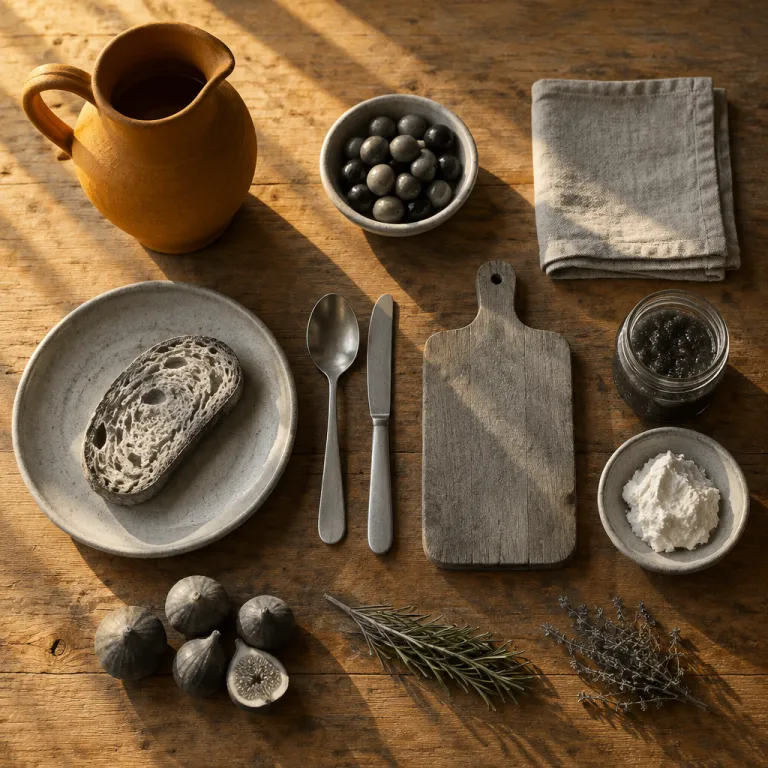
At Quinta Filippa, full-board is not a convenience; it is the organising principle of the stay. Every stay includes breakfast, lunch, dinner and beverages, turning the farm table into the daily meeting point for guests who might otherwise travel alone. When the kitchen sets the rhythm, the wellness experience shifts from scheduled treatments to a morning and evening pattern of movement, rest and shared meals.
The estate’s farm table menus lean on local produce grown on the surrounding land, with farm visits planned as part of the programme rather than as optional extras. Guests can move from yoga meditation in a converted barn to a long lunch that reflects what the team picked from the garden that day. This is where Quinta Filippa Portugal wellbeing estate differs from many country properties that bolt on wellness offerings beside a conventional restaurant model.
The 25 metre heated saltwater pool, infrared saunas and steam room support this slower rhythm instead of dominating it. A typical stay might start with morning yoga on a terrace overlooking the natural ponds, followed by a quiet room break and then an unhurried farm table lunch. Evening yoga or a simple stretch session can close the day, with the saltwater pool and the wider estate acting as a calm sanctuary rather than a checklist of facilities.
Leiria’s overlooked fields between Lisbon and Porto
The choice of Leiria for Quinta Filippa Portugal wellbeing estate is deliberate, placing the property between Lisbon and Porto yet firmly outside the usual tourist circuits. This agrarian region has long supplied Portugal’s cities with timber, fruit and dairy, but it rarely appears on luxury travel itineraries. For solo explorers, that anonymity is part of the appeal, turning the estate into a quiet base rather than a stop on a crowded route.
Reaching the quinta from Lisbon or Porto involves a drive through eucalyptus groves, small villages and working farms that still define this part of Portugal. The approach underlines that guests are entering a land shaped by production rather than performance, where the estate’s wellness offerings must coexist with real agricultural activity. It is a contrast to polished rural stays near major cities, where nature is often curated more than cultivated.
Within this context, Quinta Filippa positions itself alongside other characterful country stays, from English manor houses to elegant country pubs with accommodation in Wiltshire for refined rural stays. Yet the Leiria setting keeps the experience grounded in Portuguese soil, climate and foodways rather than importing a northern European template. The result is a sanctuary that feels local first, wellness oriented second and only then like a polished hotel.
A working estate, not a resort with a garden
Many wellness resorts in southern Europe sit on landscaped plots that read as gardens rather than true estates. Quinta Filippa reverses that hierarchy by treating the 40 hectares of land as the main asset, with the hotel and designed rooms woven into existing farm structures. Guests are encouraged to walk the fields, visit the orchards and understand how the land supports both the kitchen and the wellness experience.
Farm visits are built into the programme so that every stay includes some form of direct contact with the estate’s production. One day that might mean joining a gardener near the natural ponds; another, it could be watching the team tend vines or olive trees that frame the wells and arches. This level of access turns the quinta into a living classroom for slow travel rather than a backdrop for poolside photographs.
For travellers used to spa menus, the wellness offerings here feel more agricultural than clinical, with yoga meditation and evening yoga sessions timed around light and temperature on the land. The heated saltwater pool sits long and narrow like an irrigation channel, reinforcing the sense that water is a working element, not just a leisure feature. In this way, Quinta Filippa Portugal wellbeing estate aligns more closely with historic country houses where the farm table and fields always shaped the day.
Design, family narrative and the rise of the southern estate stay
The design story at Quinta Filippa starts with traditional architecture and ends with carefully layered comfort. Arquiprivee has kept the original stone walls, timber roofs and agricultural proportions, while Circle Studio has introduced designed rooms that feel calm rather than decorative. The result is a set of rooms that respect the quinta’s past as a working estate while meeting the expectations of guests who book premium country stays.
Inside, the palette leans on natural materials that echo the surrounding nature, from upcycled beams to textiles that pick up the colours of the land. Each room is designed to frame views of fields, natural ponds or courtyards, reinforcing the idea that the estate, not the interior, is the main attraction. For solo travellers, this creates a sense of sanctuary where connection to the outside world comes through windows and terraces rather than screens.
The family narrative behind Quinta Filippa is present but understated, with references to an eldest daughter and multi generational stewardship woven into the story of the land. This human scale matters in a market where many wellness properties feel like anonymous resorts, and it aligns the quinta with refined romantic escapes in luxurious country houses that still feel personal. As southern Europe embraces the estate stay format, Quinta Filippa Portugal wellbeing estate shows how a Portuguese family property can host guests without losing its own identity.
Slow openings and provenance driven travel
The opening in September is being treated as a soft launch, allowing the team to test how guests move through the estate across different seasons. This phased approach suits a property where hectares untouched by heavy development are part of the wellness experience, and where the land will dictate how the programme evolves. It also gives the kitchen time to refine how every stay includes a coherent farm table narrative from breakfast to dinner.
For travellers who care about provenance, Quinta Filippa sits within a wider movement of country houses publishing detailed maps of their land, suppliers and stories. Guides such as the argument for why every country house hotel should publish its provenance map show how transparency is becoming a marker of quality in this segment. Quinta Filippa Portugal wellbeing estate is well placed to join that conversation, with its wells, arches, fields and natural ponds offering clear lines between place, product and plate.
As more estates between Lisbon and Porto experiment with hospitality, the Quinta Filippa model of full-board slow living may prove influential. It suggests that the future of wellness in Portugal lies less in new spas and more in old land, carefully restored and opened to a limited number of guests. For solo explorers seeking a hotel that feels like a sanctuary without losing its working character, this quinta offers a template where wellness, nature and family stewardship share the same table.