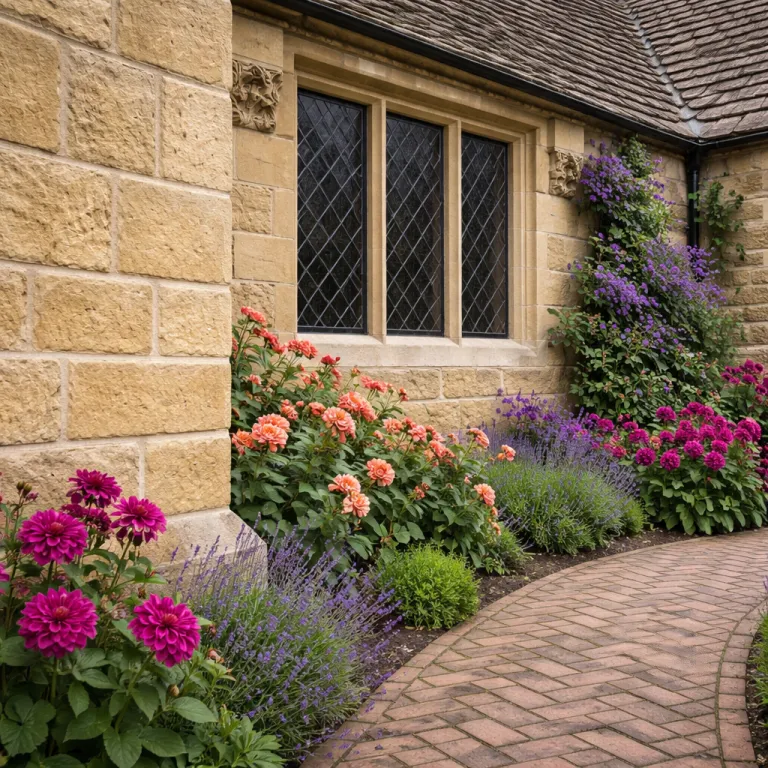
Dumbleton Hall Hotel: a restored Cotswolds country house in Gloucestershire
From faded manor house to statement country hotel
Dumbleton Hall has reopened as a confident country hotel after a two year, £25 million restoration that signals new ambition for heritage stays in the Cotswolds landscape. The Grade II*-listed manor, set on the edge of the village of Dumbleton between Evesham and Tewkesbury in Gloucestershire, now offers 34 bedrooms and suites across the original hall and later wings, with each space reworked to balance historic proportions and contemporary comfort. For couples planning a stay, the transformation of this historic Cotswolds estate feels less like a cosmetic refresh and more like a considered reset of country house life.
The investment by US based Chatham Park Development, financed by Ortus Secured Finance and operated by Bespoke Hotels, has reshaped both the hall and the surrounding 16 acres of park and gardens. Public rooms inside Dumbleton Hall, including the library bar, drawing room and Pheasant Lounge, have been restored with traditional craftsmanship and sustainable materials, while new lighting and textiles quietly lift the mood. Guests walking through the main entrance will notice how original plasterwork, fireplaces and timber have been cleaned and conserved rather than replaced, anchoring the hotel firmly in historic Cotswolds character.
Outside, the acres of gardens now frame long views over the private lake and the wider Cotswolds horizon, with new planting that respects the century old setting. Paths lead from the terrace down towards the water, where guests can pause between afternoon tea in the drawing room and an evening drink in the library bar. General Manager Sarah Thompson, appointed ahead of the official reopening in spring 2024, describes the relaunch as “a chance to bring a much loved manor back to life for a new generation of travellers, without losing the quiet, rural spirit that makes this corner of the Cotswolds so special,” a sentiment echoed in the hotel’s launch material and press information.
Dining, bars and the new language of country house hospitality
The most visible shift in daily life at Dumbleton Hall comes through its food and drink, with Cedar 1905 now anchoring the main restaurant offering. Executive Chef Dean Westcar uses the surrounding gardens and wider Cotswolds larder to shape a contemporary British menu, positioning the dining room as a serious destination rather than a generic inn with rooms. For guests booking a stay, that means evenings can be planned around estate led food and drink experiences instead of treating the hall as simply a place to sleep between village pub reservations.
Breakfast, lunch and dinner unfold across a sequence of spaces that underline the building’s manor house identity, from the panelled dining room to the lighter, garden facing areas. The library bar pours classic cocktails and local spirits, while the drawing room hosts afternoon tea that nods to the golden age of country house entertaining without feeling staged. Later this year, the Orangerie fine dining restaurant is scheduled to open as a second venue, giving the hotel a more formal option for guests who want a multi course tasting menu after a walk through the park and gardens.
For now, the bar and lounge circuit already feels complete, with the Pheasant Lounge acting as a relaxed, arms length retreat from the main restaurant and library bar. Visitors can move from the private lake paths to the house, warm up in a fireside room, then head to Cedar 1905 for a menu that respects both national produce and local suppliers. Travellers comparing heritage properties can look to the hotel’s own booking pages, sample menus and seasonal offers, as well as a dedicated guide to notable stays that highlights other historic Cotswolds and Gloucestershire country house hotels worth the journey.
What £25 million means for future stays in the historic Cotswolds
The scale of investment at Dumbleton Hall raises a clear question for travellers who love historic Cotswolds properties; what does this mean for the future of the country house hotel model. The answer is already visible in the way the hall, the park and the private lake are being programmed for guest stays, from woodland walks to planned hot tub equipped woodland lodges that will extend the estate’s appeal. When you book a stay here, you are stepping into a test case for how transatlantic capital might reshape other manor and country house hotels across the region.
The estate’s history runs from visits by Charles Darwin and Charles Dickens to service as a base for the Women’s Land Army, and that narrative is now being used to frame a more curated guest experience. Guests can move from the main house to the edges of the park, then back to a quiet room or suite that looks over the gardens and the wider Cotswolds hills. For those who like to stay informed about heritage, the way Chatham Park Development has worked with local artisans, conservation experts and hospitality consultants is documented in planning statements and launch briefings, suggesting a model that other National Trust adjacent estates and independent hotels may follow.
Looking ahead, the planned 20 woodland lodges will add a different style of room inventory, sitting in dialogue with the main manor house rather than competing with it. Guests who enjoy water focused retreats can still expect the grounded pleasures of a Cotswolds country hotel weekend, from time by the lake to evenings in the bar. For summer visits, the combination of long evenings in the gardens, drinks in the library bar and slow walks around the private lake aligns Dumbleton Hall with the kind of seasonal country house stays explored in an in depth look at gardens, pools and long evenings, confirming its place in the new golden age of English country hospitality.