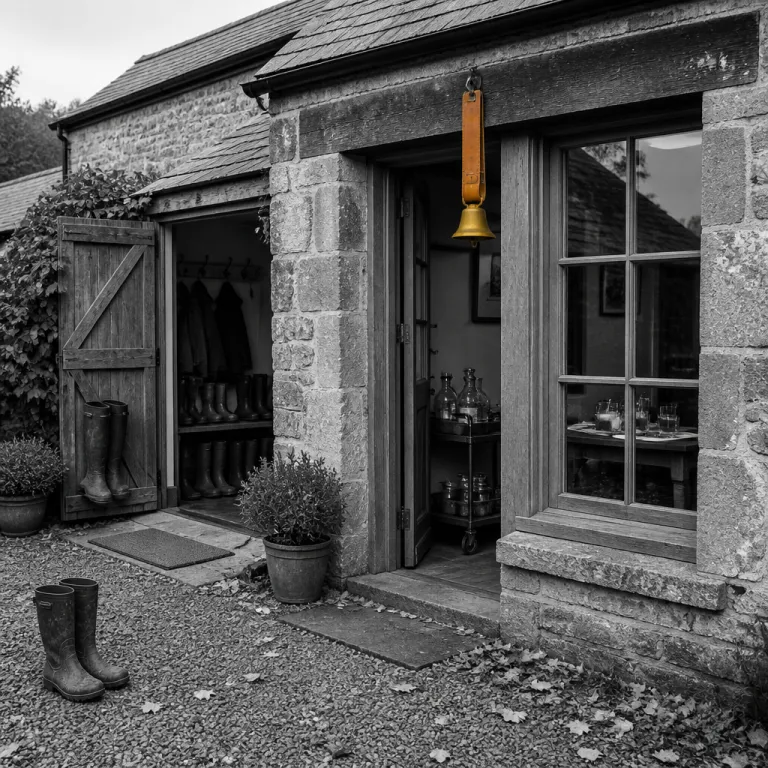
The quiet codes behind a country house hotel experience
A true country house hotel stay begins before you see your room. You notice the absence of a lobby soundtrack, the presence of a dinner bell, and the way staff step back so the house itself can speak. These subtle cultural signals create a travel experience that feels closer to being a guest of the family than a client of the hotel.
Across the United Kingdom and beyond, these traditions and social patterns grew from real domestic life in manor houses, not from a marketing brainstorm. Hosts once relied on scheduled signals and self service to manage large estates, and today many properties still use the same methods to foster trust and ease. The result is a set of rituals and traditions that shape body, mind, and spirit, from early morning walks in the kitchen garden to late night reading in a library nobody officially reserves.
For solo explorers, the benefits are tangible and long term, especially when you choose a hotel that layers in spa wellness and contemplative practices with equal care. A thoughtful country house might pair a communal dinner with meditation sessions the next day, or balance muddy boot adventures with spa treatments using local oils. These healing practices and long standing traditions turn a short travel break into a deeper travel experience that credits slowness, reflection, and genuine local customs.
The honesty bar and the art of trust based hospitality
Walk into the drawing room at The Newt in Somerset or Babington House and you will often find an honesty bar instead of a staffed counter. An honesty bar is defined very simply as “A self-service bar where guests record and pay for their own drinks.” That single sentence captures a whole philosophy of country house hospitality, where trust is the default setting and guests are treated as responsible adults.
In many historic houses, this self service model dates back to the nineteenth century, when owners needed practical ways to host large shooting parties without constant staff supervision. Today, numerous UK country houses maintain some form of honesty bar, and the design language is deliberate; crystal decanters, a handwritten notebook for credit, and perhaps a photo or two of previous generations gathered around the same sideboard. The cultural message is clear for any hotel guest who travels widely but rarely encounters such intimacy in a chain property.
For the modern solo traveler, the benefits go beyond a late night drink poured in silence. You gain the freedom to shape your own spa experiences and social rituals, perhaps mixing a pre dinner negroni with a later herbal tea after spa wellness time. This flexible rhythm supports balance between body and mind, especially when combined with quiet practices like short meditation sessions in a corner of the library, turning a simple drink into part of a wider healing narrative.
The boot room, the kitchen garden and the luxury of getting muddy
The boot room is another unspoken emblem of country house life, and it tells you instantly what kind of stay you are in for. A boot room is “a designated area for guests to store outdoor footwear and attire,” but in practice it is a cultural manifesto. When you see rows of wellingtons, dog towels, and maps by the door, you know this hotel expects you to go outside, get wet, and come back with a story on your boots.
These spaces grew from working estates where staff and family needed a buffer between the fields and the formal rooms, and they still carry that sense of threshold today. Early morning walks often begin here, with guests stepping into borrowed boots before heading to the kitchen garden to see where breakfast will be picked. That simple ritual links food to place, and it anchors local traditions in something more tactile than a menu description or a staged photo on a website.
Many of the most interesting properties now extend this outdoor focus into spa wellness and nature based treatments that respect the land. You might return from the garden to spa treatments using local oils, or to ayurvedic inspired massages that work on the whole body rather than just the back. Over time, these healing practices and regional traditions create long term benefits, especially for solo travelers who want a travel experience that connects physical wellbeing with a calmer state of mind rather than just ticking off another hotel review.
The dinner bell, the library hour and the social architecture of the house
Country houses have always relied on sound to organize the day, and the dinner bell remains one of the most evocative rituals. The purpose of a dinner bell is simple; “To signal guests that a meal is ready to be served.” Yet that clear chime does more than call you to the table, because it gathers everyone at once and sets the tone for a single sitting, shared meal.
Communal dinners at properties like Babington House or smaller family run estates can feel daunting for solo travelers at first, but they quickly reveal their rewards. You sit beside other guests who have spent the day in the same fields, spa, or library, and the conversation tends to move from travel to local traditions to the quiet pleasures of house life. Over several days, this shared table becomes a soft network, especially for younger travelers who are meeting these cultural codes for the first time.
After dinner, the library hour begins, even if nobody calls it that on the schedule. This is when guests drift toward shelves lined with old hotel review books, landscape guides, and perhaps volumes on ayurvedic wellness or Balinese healing practices. The room is rarely booked for events, which is precisely the point; it exists as a sanctuary for reflection, a place where simple wellness practices can be as gentle as reading in silence while the house settles around you.
From hammam to spa wellness: how modern treatments echo old philosophies
While the core country house customs grew from domestic life, many leading estates now weave in spa wellness concepts that feel surprisingly aligned with older philosophies. In some properties, you will find a compact hammam or steam room tucked beside a pool, echoing the communal bathing cultures that have shaped healing traditions for centuries. Elsewhere, the spa design might reference Balinese pavilions or ayurvedic clinics, yet the tone remains intimate rather than resort like.
For solo explorers, these spa experiences can be structured around the natural rhythm of the house day rather than a rigid timetable. You might book spa treatments after an early check in, then return for shorter rituals before you check late on departure day, using the facilities as a bridge between travel and home. Thoughtful therapists often focus on the whole body, using oils that reference local botanicals and explaining how specific treatments support long term wellness practices and subtle emotional benefits.
Properties that take this seriously tend to integrate meditation sessions, gentle movement, and even informal talks on healing practices into their cultural programming. Some will suggest a short hammam circuit before dinner to relax the body and quiet the mind, while others offer guided meditation in the garden at early morning light to settle the nervous system. If you are drawn to refined wellness, it is worth reading a detailed hotel review or exploring in depth coverage of destination spas from trusted travel publishers, which examine how a coastal property can still honour local traditions and global spa philosophies within a coherent travel experience.
How to read these rituals when choosing your next stay
Understanding the quiet codes of a country house hotel helps you choose properties that match your own cultural comfort level. If an honesty bar, a boot room, and a single sitting dinner feel appealing, you are likely to enjoy houses that prioritize trust, shared time, and a slower day structure. If you prefer more privacy, you might still appreciate these traditional elements while opting for a room slightly removed from the main social spaces.
When you read a hotel review, look for specific references to local traditions, wellness practices, and the rhythm of the house rather than generic praise. Does the reviewer mention early morning garden walks, meditation sessions, or spa treatments that use local oils and reflect regional healing traditions? Do they describe how the design of the library, the honesty bar, and the spa wellness area supports both relaxation and reflection, or do they focus only on square metres and thread counts?
For solo travelers, the benefits can be especially strong when these elements align. A house that respects long term healing practices, offers flexible early check in and check late options, and treats spa experiences as part of a wider travel journey will usually feel more like a temporary home than a transaction. In that sense, the unwritten codes of the country house become your quiet allies, guiding you toward stays where thoughtful philosophies, cultural nuance, and genuine hospitality still shape every day.
FAQ
What is an honesty bar in a country house hotel ?
An honesty bar in a country house hotel is a self service station where drinks and sometimes snacks are laid out for guests without a bartender. You help yourself, record what you have taken in a notebook or on a form, and the hotel adds the amount to your final bill as a matter of trust and credit. This simple system reflects the broader tradition of treating guests as part of the household rather than monitored customers.
Why is the boot room considered a sign of real country luxury ?
The boot room signals that the hotel expects you to go outside, get muddy, and return without worrying about carpets or etiquette. It usually offers storage for boots, coats, and sometimes walking sticks, along with maps and local tips, which supports a more active travel experience. For many guests, this practical space feels more luxurious than a formal lobby, because it shows that the house is designed around real countryside life and long term comfort.
How does the dinner bell and communal dining affect solo travelers ?
The dinner bell gathers everyone at the same time, which naturally encourages conversation and shared stories at a single large table or a few joined tables. For solo travelers, this removes the awkwardness of walking into a half empty restaurant and wondering where to sit, because the ritual itself creates an instant social structure. Over several nights, these communal dinners often become the highlight of the stay, offering emotional and social benefits that go far beyond the food.
Do country house hotels usually offer spa and wellness facilities ?
Many leading country house hotels now combine traditional rituals with spa wellness facilities, ranging from small hammam style steam rooms to full spa suites with treatments inspired by ayurvedic wellness or Balinese techniques. The best properties integrate these spa experiences into the natural rhythm of the house, encouraging early morning swims, afternoon spa treatments, and quiet meditation sessions rather than a rushed schedule. This approach supports a sense of balance while staying true to the cultural character of the estate.
How can I tell if a country house stay will feel authentic rather than staged ?
Authentic properties usually show a coherent link between their history, their local traditions, and their daily rituals, from the honesty bar to the library hour. When reading a hotel review or website, look for concrete details about the boot room, the kitchen garden, and how staff talk about healing practices or wellness practices, rather than vague lifestyle language. If the house design, the spa wellness offering, and the social rituals all feel grounded in place, you are more likely to enjoy a genuinely rooted country house stay.
Sources
National Trust (2020), "Historic Houses and Hospitality: Adapting Country Estates for Modern Guests"; Historic Houses Association (2019), "Country House Hotels and the Preservation of Domestic Traditions"; Hospitality Trends Report (2021), "Independent Country Hotels and the Rise of Wellness Travel".