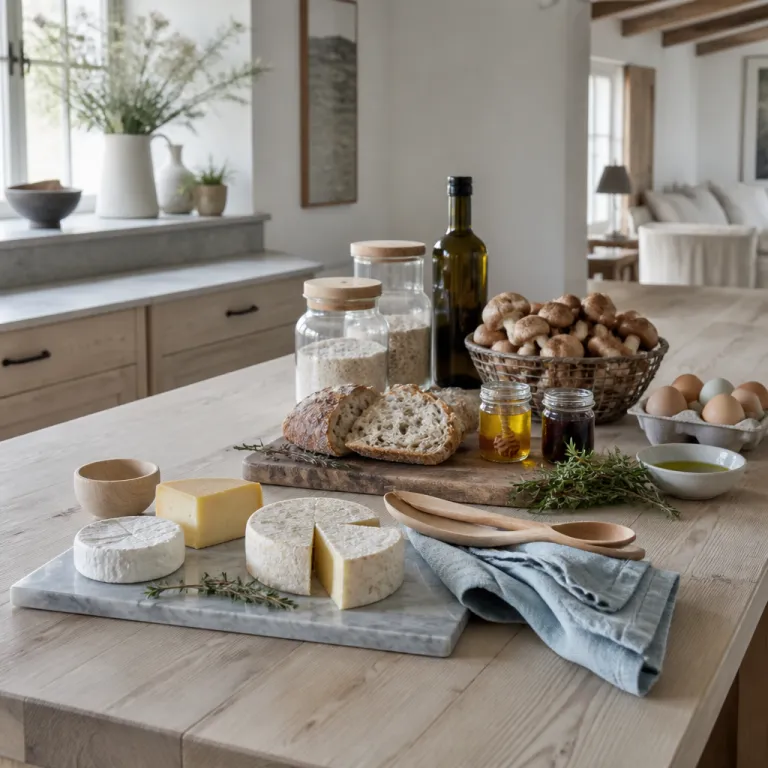
Why luxury country houses elevate team building activities for company retreats
Choosing a luxury country house immediately changes how your team feels about a company retreat. When people arrive at an elegant estate surrounded by fields and forests, the atmosphere signals that this event is about meaningful team building rather than routine work. That shift in mindset makes every activity more immersive and every minute of shared time more valuable.
High end country houses offer generous indoor salons and landscaped grounds where smaller groups and larger teams work side by side on tailored team building activities. These versatile spaces allow you to move seamlessly from structured problem solving workshops to relaxed food and beverage tastings that encourage informal collaboration. Because the retreat setting feels unique and secluded, team members usually disconnect from daily challenges faster and engage more deeply with each activity.
Specialist organizers such as Retreat Signal, QuestWorks, and Naboo now partner with luxury estates to design highly effective team building activities for company retreats. They combine interactive workshops, outdoor challenges, and group discussions with the property’s character, so each retreat feels like a one off experience rather than a generic corporate retreat. When you start planning early with these experts, your team will benefit from a clear timeline that balances work, rest, and memorable group activities, supported by written agendas, facilitator briefs, and clear success metrics.
Designing a retreat program that balances work, rest, and adventure
A well structured company retreat in the countryside usually runs over several days, with each day dedicated to different activities that support collaboration. Many corporate retreats follow a rhythm where day one focuses on arrival and orientation, day two on outdoor team building activities, and day three on reflection and strategic work. This simple framework helps teams work through challenges without overwhelming people who are not used to intensive group sessions.
Within that framework, you can schedule a mix of indoor and outdoor activity formats that suit your team’s energy levels. Morning sessions might include communication and collaboration workshops or problem solving simulations, while afternoons are ideal for scavenger hunts across the estate or an escape room style challenge set up in a historic barn. Evenings can be reserved for relaxed retreat ideas such as cooking classes that highlight local food and beverage traditions and allow team members to unwind together.
Organizers like QuestWorks specialize in outdoor activities that use the natural landscape around country houses to test how teams work under time pressure. Naboo often focuses on smaller groups that rotate through different team building activities, ensuring every team member has a voice and a clear role. When you align each event block with a specific objective, such as leadership development or cross department collaboration, the overall retreat experience becomes both enjoyable and strategically valuable; for example, a three day agenda might allocate 40 % of time to workshops, 40 % to experiential challenges, and 20 % to informal networking.
Signature team building activities that shine in country house settings
Some team building activities for company retreats feel especially powerful in the refined calm of a country estate. Cooking classes, for example, work beautifully in a traditional manor kitchen where teams prepare regional dishes and then share the meal as a group. Activities like these turn food and beverage preparation into a live exercise in communication, collaboration, time management, and shared responsibility.
Outdoor scavenger hunts across gardens, orchards, and woodland paths transform the property into a playful problem solving arena. Teams receive clues that require observation, quick thinking, and collaboration, while the natural scenery keeps the activity engaging even for people who are usually sceptical about team building. For a more intense challenge, an escape room scenario can be staged in a library, wine cellar, or carriage house, where each puzzle demands logical solving skills and calm coordination under pressure.
Retreat Signal often combines these activities into themed event days, so each team will rotate between cooking classes, scavenger hunts, and an escape room challenge. This variety ensures that different personalities within the group can shine, from analytical thinkers to creative communicators. A typical sample day might include a morning culinary challenge, an afternoon outdoor quest, and an evening debrief over dinner, giving teams space to connect the experience to real workplace projects.
Tailoring corporate retreats for different team sizes and dynamics
Not every corporate retreat involves the same type of team, so the most effective activities respect team size, seniority mix, and cultural background. For large corporate retreats, it is wise to divide people into smaller groups that rotate through parallel team building activities, which keeps energy high and participation balanced. In contrast, a compact company retreat with a leadership team might focus on deeper problem solving sessions and more intimate group activities.
Country houses are particularly flexible for this kind of tailoring because they offer multiple salons, terraces, and outdoor corners where teams work without disturbing each other. One focus team might handle a strategic escape room scenario in a drawing room, while another group explores retreat ideas through guided nature walks and reflective discussions. Later, everyone can reunite for shared food and beverage experiences that reinforce the sense of one cohesive team despite the earlier division into smaller groups.
Specialist organizers such as Naboo and QuestWorks use facilitators and activity kits to adapt each activity to the number of team members and the time available. They also integrate technology where appropriate, for example using tablets during scavenger hunts or digital scoreboards during communication and collaboration games. This thoughtful design ensures that team building activities for company retreats remain inclusive, challenging, and highly effective for every participant, whether you are hosting a 20 person offsite or a 200 person company wide gathering.
Budget, logistics, and maximizing ROI for luxury country house retreats
Planning a luxury company retreat in a country house requires clear financial expectations, especially when you want a program rich in team building activities. Industry surveys of corporate offsites commonly place the average retreat cost per person in the low to mid four figure range, which aligns with premium accommodation, curated food and beverage, and professional facilitation. When you evaluate this cost, consider not only the immediate event but also the long term impact on collaboration, retention, and performance.
To maximize ROI, align every activity with a measurable objective such as improved communication and collaboration between departments or faster problem solving in cross functional teams. Use the retreat timeline to reinforce learning, because information retention loss without reinforcement can be significant when people return to daily work. One effective approach is to schedule follow up virtual team building activities after the retreat, using the same facilitators who led the original activities in the country house, and to track outcomes such as engagement scores or project cycle times.
Logistics also influence how well teams work during the retreat, from travel arrangements to packing lists that remind people to bring comfortable clothing and prepare for varied weather. Many planners now integrate wellness elements and restorative settings, such as those highlighted in curated collections of luxury hotels in the Canary Islands for restorative wellness escapes, to inspire their own retreat ideas in rural estates. When you start planning early with experienced partners like Retreat Signal, your team will benefit from a seamless experience where every detail supports the overall goals of the corporate retreat, from contracts and rooming lists to transport schedules and contingency plans.
Choosing the right partners and destinations for memorable retreats
The success of team building activities for company retreats in country houses depends heavily on the partners you choose. Retreat Signal, QuestWorks, and Naboo each bring distinct expertise in designing team building activities that respect both the character of the property and the culture of your team. Their methods combine interactive workshops, outdoor challenges, and group discussions, supported by facilitators, activity kits, and audio visual equipment.
When selecting a destination, consider how the landscape and architecture will support your preferred mix of activity formats. A manor with extensive grounds suits scavenger hunts and outdoor problem solving, while a historic estate with vaulted cellars and libraries is ideal for escape room narratives and reflective sessions. Some planners also favour eco friendly retreats and wellness focused properties, where teams work on collaboration while enjoying nature, spa facilities, and healthy food and beverage options.
As one expert summary notes, “Activities like cooking challenges, scavenger hunts, and outdoor adventures are effective.” This aligns perfectly with the strengths of luxury country houses, where each retreat can feel unique and carefully curated. When your team will leave such a corporate retreat with shared stories, stronger bonds, and renewed motivation, the time invested in thoughtful planning proves highly effective for both people and performance, especially when supported by clear feedback surveys and post event reports.
Key figures and performance insights for country house team retreats
- The average retreat cost per person for a premium company retreat often falls between 1 000 and 3 000 USD, which reflects not only accommodation but also structured team building activities, facilitation, and food and beverage services (based on aggregated ranges reported in corporate offsite planning guides).
- Studies of workplace learning frequently reference that information retention loss without reinforcement can reach around 70 %, so follow up team building activities and post retreat workshops are essential to maintain the benefits of problem solving and collaboration exercises (a figure often illustrated by the Ebbinghaus forgetting curve).
- Corporate retreats that run for two to three days typically achieve a better balance between intensive activities and rest, allowing teams to work on deep challenges without causing fatigue that would reduce engagement.
- Programs that combine at least three different formats, such as cooking classes, scavenger hunts, and an escape room, tend to engage a wider range of personalities and learning styles within the team.
- Retreats that explicitly link each activity to a clear objective, such as communication and collaboration or cross functional problem solving, report higher perceived value among team members and leadership, especially when those objectives are documented in advance and revisited during closing sessions.
FAQ about team building activities for company retreats in country houses
What are effective team building activities for retreats in country houses ?
Effective options include cooking classes that use local ingredients, scavenger hunts across the estate, and outdoor adventures such as orienteering or low rope courses. Expert guidance confirms that “Activities like cooking challenges, scavenger hunts, and outdoor adventures are effective.” When these activities are adapted to the property and your team’s goals, they become powerful tools for collaboration and problem solving.
How long should a company retreat in a country house last ?
Most planners recommend a duration of two to three days for a company retreat in a rural estate. This period allows time for arrival, orientation, intensive team building activities, and reflective workshops without exhausting team members. Shorter events can feel rushed, while much longer retreats may strain budgets and attention spans.
How much does a luxury country house retreat typically cost per person ?
For a premium experience that includes accommodation, curated food and beverage, and professional team building activities, budgets often range from about 1 000 to 3 000 USD per person. The exact cost depends on the property, season, and complexity of the program. When evaluating proposals, compare not only prices but also the depth of facilitation and the quality of each activity, and request itemised estimates that separate venue hire, catering, transport, and program design fees.
How can we ensure that teams work together after the retreat, not only during it ?
To sustain collaboration, link each retreat activity to real workplace challenges and schedule follow up sessions once people return to the office. Many organizations use virtual team building activities or short refresher workshops to reinforce key behaviours. Clear action plans and accountability structures help team members translate retreat insights into everyday work.
Are virtual or eco friendly elements compatible with country house retreats ?
Yes, many luxury country houses now support hybrid or eco conscious corporate retreats. Facilitators can integrate virtual collaboration tools into on site activities, while properties invest in sustainable practices such as local sourcing and energy efficiency. This combination allows your team to enjoy an authentic rural experience while respecting environmental goals and modern ways of working.