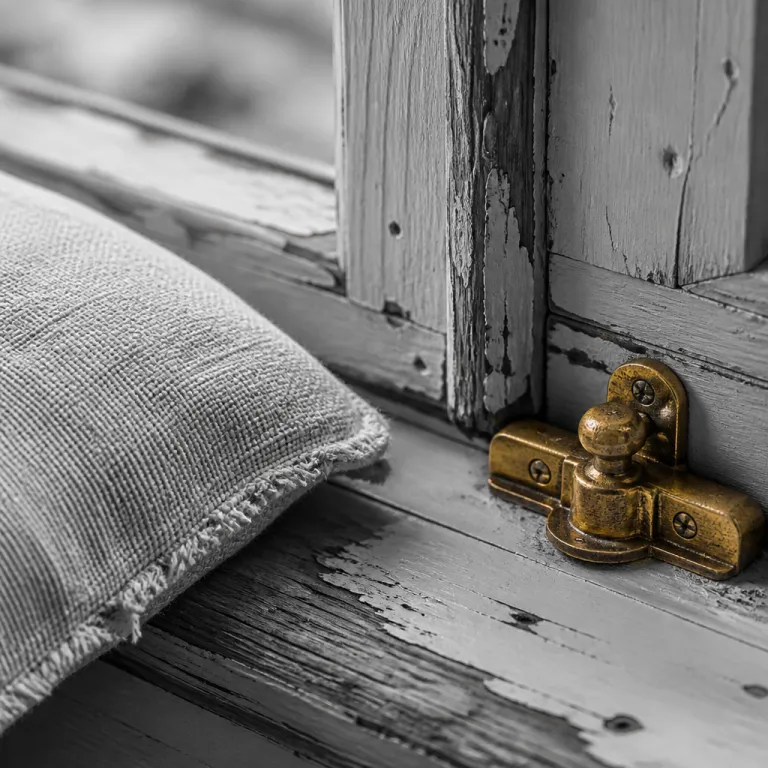
Country house hotel interior design that ages beautifully
Why enduring interiors matter when you book a country house hotel
When you book a country house hotel, you are really choosing how you want time to feel. A thoughtful country house hotel interior design built around natural materials will stay beautiful long after the latest social media trend has faded from memory. For travelers, that means rooms and private spaces that feel calm, grounded, and quietly luxurious rather than themed or overdesigned.
Design teams working on historic estates now talk less about statement pieces and more about how each material will age. Architects, interior designers, and homeowners who live with these interiors every day know that natural materials like wood and stone are ideal, because they gain patina and depth instead of simply wearing out. This shift is reshaping what you see when you arrive at a luxury hotel in the countryside, from the boot room to the grand drawing room.
Across leading properties, the most successful country house interiors rely on a reduced palette of natural elements and tones that repeat from room to room. You will notice the same oak, the same stone, the same brushed metal, and the same cotton or linen textiles adding warmth in both public and private spaces. This consistency in material choices creates a sense of ease, while the subtle variations in textures keep each room from feeling predictable.
Natural materials, earthy tones and the new country house palette
The most confident country house interiors now start with a simple rule: if a surface is touched often, it should be a natural material. Floors in solid wood or stone, hand finished rather than factory sealed, allow scuffs and sunlight to build a gentle patina that adds quiet drama over time. In guest rooms, headboards in timber or upholstered in natural fabrics such as cotton, linen, or clay-based textiles feel better against the skin and age more gracefully than synthetics.
Design teams are also embracing earthy tones that echo the landscape instead of chasing seasonal color trends. Neutral palettes built around warm stone-and-wood combinations, soft greys, and muted greens have real staying power, which is why surveys of homeowners by major paint brands consistently show that a majority prefer neutral schemes for long term interiors. As one trusted guideline for travelers, remember this principle often used by designers when discussing aging materials and patina in country houses.
When you walk into a country house hotel that understands this, you will see natural tones repeated in the lobby, the bar, and every room, with only small shifts in intensity. A sitting room might use darker timber and deeper stone shades, with black metal accents adding character and definition around a fireplace. For a sense of how atmospheric this can feel in practice, imagine an atmospheric stay in a historic valley property such as a château carved into rock in a dramatic gorge, where stone, timber, and water set the entire mood.
Texture, textiles and the quiet power of craftsmanship
In the best country house hotel interior design projects, textures do as much work as color. Designers now favour velvet headboards, ribbed wood panels, and hand finished plaster over perfectly smooth, anonymous surfaces, because these textures add depth and invite touch. When textiles introduce subtle variation, a restrained palette of natural materials suddenly feels layered rather than plain.
Look closely at the next hotel room you book and notice how the materials are combined. A confident interior might pair timber or stone flooring with a wool rug, then use cotton or linen curtains and clay textiles on cushions to soften the acoustics and light, while metal lamps in a soft black finish frame the bed. In these spaces, furniture in solid wood, from the bedside table to the wardrobe, works with the architecture instead of fighting it, and the overall design style feels quietly assured.
This is where the library, the boot room, and the dinner bell come into play as real tests of character. In these high traffic private spaces, choices such as oak benches, stone thresholds, and robust coat hooks reveal whether the design will still feel inviting after years of muddy boots and late night returns. For a deeper sense of how these everyday rooms define a stay, read about what truly makes a great country house stay and notice how often texture, patina, and proportion are mentioned before any talk of gadgets.
Case studies : Kilchoan, Teffont House and Wildhive
Some of the clearest lessons for travelers come from watching how specific designers handle country house hotel interior design with natural materials. At Kilchoan, Waldo Works leans into the Scottish landscape with stone, pine, slate, and Scottish made furnishings, using Angus Ross furniture and Bute textiles to root every room in its place. Here, materials combined with restraint mean that a single piece of solid wood furniture can carry an entire space without needing decorative clutter.
Teffont House, shaped by Natasha Hidvegi, shows how period appropriate interior design can feel fresh in a property that dates back centuries. She works with existing stone and oak, then layers in natural elements such as limewashed walls, metal hardware, and soft textiles, so the material story feels coherent from the entrance hall to the most private spaces. As one designer interviewed about Teffont put it, “If the bones are honest, you can let the surfaces tell their age,” and the result is a design style that respects original proportions, allowing natural surfaces to show their age rather than hiding them behind trend led finishes.
At Wildhive, Matt Hulme takes a different route, drawing the surrounding landscape directly into each room. Here you will find wood-and-stone combinations, earthy tones, and natural hues that echo the fields outside, with timber and stone used in both public lounges and private bedrooms to keep the experience consistent. For travelers comparing options, this kind of nature focused interior, where natural materials and crafted details frame every view, tends to feel more restful and less likely to date.
How to read a room : what your eye should look for when booking
When you scroll through photos on a booking site, train your eye to look past the cushions and focus on the bones of the room. Ask yourself whether the main surfaces are built from natural materials such as stone, solid wood, and metal with a soft finish, or whether they rely on shiny laminates and quick fixes. A room with oak floors, stone skirting, and black metal window frames will almost always age better than one dominated by plastic and pattern.
Pay attention to how technology is handled, because confident interiors let it disappear. In the most thoughtful hotels, lighting, acoustics, and climate control are integrated into the architecture, with switches, vents, and speakers tucked into joinery or stone reveals so that natural elements remain the visual focus. This approach keeps the design style calm and allows earthy tones and crafted details to shine without competition from glowing screens.
Finally, look for signs of patina, proportion, and restraint, which separate a confident restoration from a trendy renovation. Scratches on a solid wood table, a stone step worn smooth, or a leather armchair with softened edges are all clues that natural material choices were made with time in mind, not just opening photography. If you want to go deeper into how gardens and grounds echo this philosophy, explore this guide to what a walled garden reveals about a country house hotel and notice how the same logic of materials and natural tones applies outdoors.
FAQ
What materials are best for a country house hotel interior that ages well ?
For interiors that improve with time, prioritize natural materials such as wood, stone, and metal with hand finished surfaces. Solid wood floors, stone-and-timber combinations on fireplaces, and metal hardware in a soft black finish all develop patina instead of simply wearing out. When these materials are combined with textiles that add warmth, such as cotton, linen, and wool, the result is a country house hotel interior design that feels better each year.
Which colors and tones feel timeless in country house rooms ?
Neutral schemes built around earthy tones tend to be the most enduring in both public and private spaces. Think natural hues such as warm beige, soft grey, muted green, and the inherent color of oak, stone, and other woods rather than bright, saturated shades. These palettes allow natural elements and solid wood furniture to stand out, while small accents in black or deep blue can be added or removed without rewriting the entire interior design.
How can I tell from photos if a hotel uses natural materials ?
When you look at images online, focus on the main surfaces and ask whether they appear to be natural or synthetic. Visible grain in wooden furniture, irregular textures in stone, and slight variation in clay textiles or linen curtains are all signs of authenticity. If every surface looks perfectly smooth, reflective, and identical, the design style may rely more on coatings than on true natural materials.
Do natural materials require more maintenance during my stay ?
High quality natural materials are chosen precisely because they handle wear gracefully, especially in hotels where traffic is constant. Stone or timber floors, solid wood tables, and metal fixtures may show small marks, but these usually add character rather than feeling like damage. Well run properties schedule regular care so that guests experience the charm of patina without dealing with any functional issues in their room or shared spaces.
Why do many designers recommend neutral palettes for country houses ?
Designers favour neutral palettes because they support long term flexibility and calm, especially in historic buildings. When walls, floors, and major furniture pieces sit in natural tones, it becomes easy to refresh a room by adding character through art, cushions, or a single rug rather than replacing major interior elements. This approach respects both the architecture and the investment in wood, stone, and other natural materials that define a true country house hotel.