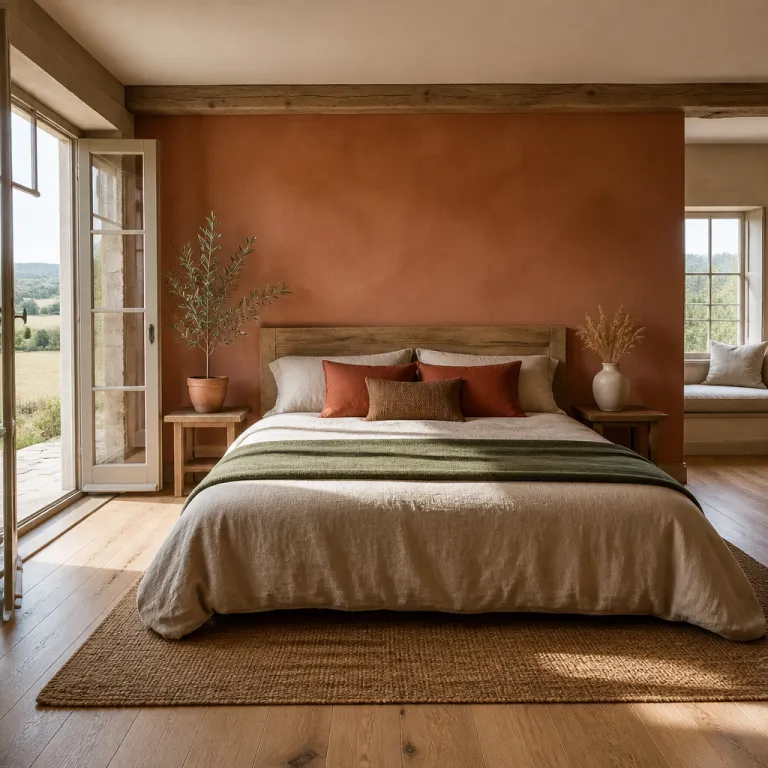
Why sleep-first design is the new country house luxury
In the quiet arms of a country house hotel, sleep becomes the headline act. When a property treats the bedroom as its central architectural story, the result is a level of restorative rest that guests can actually feel in their bones. Sleep-first design means the bed, the walls, the light and even the privacy policy of the property are all aligned around one goal: you waking up rested and unhurried.
Architects and interior designers now talk about sleep-first layouts in the same breath as spa circuits and tasting menus, because sleep is the most universal wellness offering any luxury hotel can provide. Industry data shows that hotels with integrated wellness features report 20 to 35 percent higher average daily rates according to SiteMinder’s 2023 Changing Traveller Report, and the smartest country estates are quietly using the bedroom as their wellness engine room. This is where a guest will feel the difference between a merely luxurious room and a truly luxurious feel that lingers long after checkout.
Sleep-first design grew from a wider architectural trend that places the element bedroom at the heart of the floor plan, rather than as an afterthought off a corridor. In practice, this means embedding the bed into structural elements, using stone walls for natural insulation and choosing calming materials that create a cocooning space. When you are picking bedroom options on a booking page, you are really choosing how you will sleep, how you will feel and how well the room’s style comfort has been thought through.
The hushpitality checklist: how to read a bedroom like an insider
Quiet luxury in the countryside is not about logoed amenities; it is about hushpitality, the art of orchestrating silence so you will sleep deeply without noticing why. A serious approach to country house bedroom design for sleep quality starts with architecture, not accessories, and the best properties publish this thinking as clearly as their privacy policy. When you scan a room description, look for a sleep-first checklist that reads more like a specification sheet than a mood board.
What to look for in the description:
- Blackout shutters, not just curtains, as the first tell that the bedroom has been designed for darkness, especially in rural locations where dawn arrives early and bright.
- Mattress detail such as firmness options, natural fillings or named brands like Hypnos, Vispring or Hästens, plus a menu of pillows, because they know the wrong pillow can undo the best intentions.
- Soundproofing cues including solid doors, double glazing and stone walls that double as natural insulation, all contributing to a luxurious feel of quiet where you will feel cocooned even when the house is busy downstairs in the boot room or by the dinner bell, as explored in our guide to what makes a great country house.
Room temperature control is the final non negotiable in any serious element bedroom specification, ideally with individual thermostats and the option to open windows without traffic noise. A sleep-first hotel will set the default temperature slightly cooler at night, understanding that most guests sleep well in a room between 18 and 20 degrees Celsius. The absence of digital clocks, standby lights and intrusive screens is another quiet signal that the property has chosen style comfort that serves rest, not gadgetry.
Stone walls, linen wars and the architecture of rest
Country houses have a structural advantage when it comes to sleep; many were built with thick stone walls that naturally regulate temperature and mute sound. Those walls create a bedroom space that stays cooler in summer, warmer in winter and significantly quieter than most modern builds, which is why a thoughtful country house sleep strategy often starts with respecting the original fabric. When architects integrate the bed into alcoves or between structural piers, they are using the building itself as a sleep shield.
Inside that shell, linen quality becomes a surprisingly accurate proxy for overall standards, because it is the one element bedroom you feel against your skin for hours. Egyptian cotton with a high but not excessive thread count offers crispness and durability, while French linen brings a relaxed, breathable texture and Irish linen excels in cooler climates with its slightly weightier drape. When you are picking bedroom categories online, look for explicit mentions of fabric origin, thread count and weave; these details signal that the hotel understands how sheets, blankets and even the humble pillow can create a luxurious feel without visual noise.
Color choices matter just as much as fabrics, and the top country houses lean into muted, mineral colors that echo their landscapes rather than chasing trends. Our feature on interiors that age well shows how enduring palettes support calm, unhurried stays. When the colors, textures and materials all work together, you will feel an almost physical softening as you enter the room, a feeling that tells you this is a space set up for rest first and Instagram second.
The bed as architecture: how to judge layout, light and space
Sleep-first design treats the bed as a piece of architecture, not just furniture rolled into a bedroom at the last minute. In the best country house hotel examples, the bed is oriented to morning light, views and airflow, then the rest of the room is planned around that axis. This is where architects, interior designers and sleep specialists quietly collaborate to create a layout that feels inevitable when you walk in.
Look for generous circulation space around the bed so you can move without bumping into trunks or side tables in the dark, a detail that separates a true luxury hotel from a merely pretty one. Bedside lighting should be layered and dimmable, with individual controls so one person can read while the other will sleep undisturbed, and switches should be reachable without contortions. When a property has really thought about the element bedroom, you will feel it in the way your hand naturally finds the light switch, the way blackout shutters glide and the way the mattress supports you without demanding attention.
Storage is another quiet indicator of style comfort, because clutter is the enemy of rest and of a luxurious feel. Built in wardrobes that swallow suitcases, discreet luggage benches and under bed clearance all help create a calm, ordered space where your things vanish from sight. The morning test is simple; if you hesitate to leave the bed for breakfast because the room feels so composed, the design has done its job.
Sleep programmes, digital detox and the morning after test
Some country houses now offer dedicated sleep programmes with consultations, pillow menus and even partnerships with sleep specialists, while others rely on the good luck of thick walls and rural quiet. The most convincing properties combine both, using architecture and service to create a sleep experience that feels curated rather than accidental. When evaluating options, consider whether the hotel talks about sleep as clearly as it talks about dining or spa rituals.
The digital detox room is one of the most interesting evolutions in hushpitality, with some estates removing televisions entirely and offering books, board games and vinyl players instead. This approach aligns with the wider movement toward outdoor sleeping terraces and open air baths, where our guide to country houses designed for summer nights shows how starlit spaces extend the bedroom beyond four walls. When screens retreat and analogue pleasures return, you will feel your nervous system downshift in a way no app can replicate.
Hotels with integrated wellness often see higher revenues, but the real metric is how well you sleep and how you feel at breakfast. The morning after test is brutally honest; if you wake before your alarm, stretch under cool sheets and briefly consider skipping the dining room because the bed is that good, the property has passed. As one architectural summary puts it with disarming clarity, "What is sleep-first design? An architectural approach prioritizing sleep quality in home layouts."
How to read the fine print: materials, metrics and booking signals
When you move from dreaming to booking, the details in a listing become your best allies. Read the room description the way a vice president of development would, scanning for mentions of mattress brands, thread count, blackout shutters and soundproofing rather than just square metres and views. These specifics tell you whether the hotel has treated the bedroom as a strategic asset or a decorative afterthought.
Pay attention to how often the property talks about sleep, rest and quiet in its copy, because language reveals priorities. A serious country house mindset around sleep quality and bedroom design will show up in references to stone walls, natural materials, individual climate control and curated pillows, not just in photos of four poster beds. If the privacy policy and wellness pages mention partnerships with sleep experts or data from organisations like the National Sleep Foundation, you can assume the commitment runs deeper than marketing.
Guest reviews are your final filter, and the most telling comments are often the simplest; repeated mentions of how well people sleep, how they will feel at dawn and how the bedroom made them reluctant to leave. Look for patterns around noise, light leakage and bedding quality rather than isolated raves or complaints. When those patterns align with the architectural cues and materials you have already considered, you can book with confidence that the most important part of your stay has been designed with you horizontal, not upright.
FAQ
What is sleep-first design in a country house hotel ?
Sleep-first design is an approach where the entire bedroom is planned around rest, from bed placement and soundproofing to materials and lighting. Architects integrate the bed into the structure, use calming natural finishes and prioritise darkness and temperature control. The goal is to make high quality sleep the primary form of luxury, not an afterthought.
How can I tell if a bedroom will be quiet before I book ?
Look for clues such as stone or very thick walls, explicit mentions of soundproofing and solid doors in the room description. Blackout shutters, rural settings away from main roads and guest reviews that praise silence are strong indicators. When a hotel details these elements, it usually reflects a deeper commitment to sleep quality.
Does thread count really matter for hotel sheets ?
Thread count matters, but only as part of a bigger picture that includes fibre quality and weave. A moderate to high thread count in Egyptian cotton, French linen or Irish linen can feel luxurious, but extremely high numbers sometimes mean heavier, less breathable fabric. The best country houses balance thread count with natural fibres to keep you cool, dry and comfortable all night.
Are dedicated sleep programmes worth paying extra for ?
Sleep programmes can be valuable if they combine good architecture with thoughtful services such as pillow menus, guided wind down routines or expert consultations. They are most effective in properties that already have quiet rooms, proper blackout and climate control. If the basics are missing, no programme can fully compensate.
Why do country houses often feel cooler and calmer than city hotels ?
Many historic country houses use thick stone or brick walls that naturally insulate against heat and noise. Rural locations usually mean less traffic, fewer sirens and darker night skies, all of which support deeper sleep. When these structural advantages are paired with modern bedding and lighting, the result is a particularly restful kind of luxury.