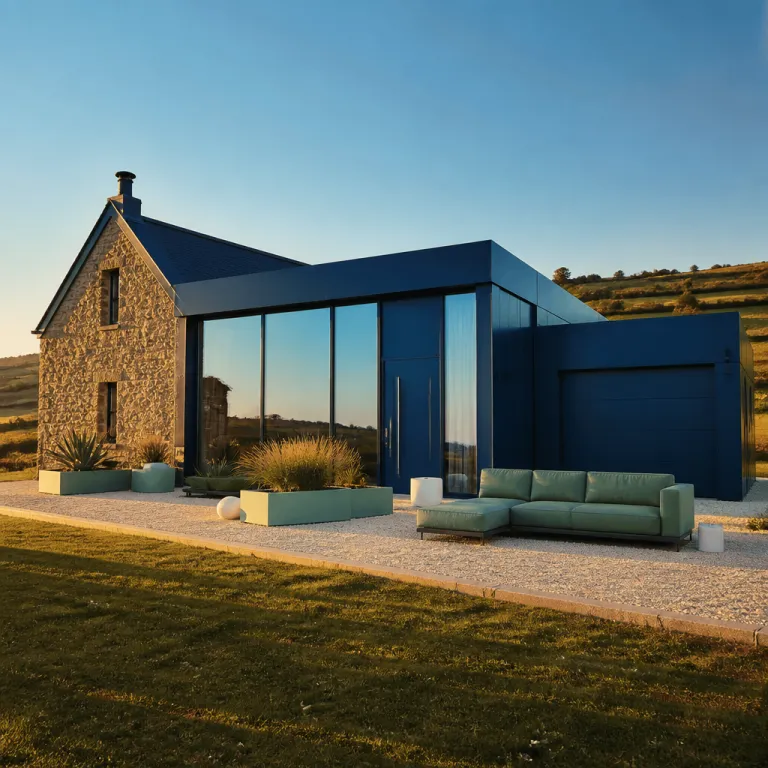
The quiet battle between comfort and character in historic hotels
Walk into a grand country house hotel and you feel time slow. Yet behind the calm, every historic building that welcomes guests is negotiating a constant battle between comfort and character. For travelers choosing a stay, understanding that tension is the first step toward booking a country house hotel renovation preservation character heritage experience that still feels authentic.
Modern hospitality standards demand rigorous fire safety, step free access, and reliable climate control across all hotels. Those requirements can sit awkwardly with uneven stone stairs, single glazed sash windows, and thick masonry walls that define many historic buildings and give them historical significance. The best historic properties treat each new regulation as a design puzzle, using thoughtful restoration and careful preservation to protect original architectural details rather than flatten them into anonymous spaces.
When you browse heritage hotels in the United States or in Europe today, you are often looking at historic buildings that have survived multiple waves of restoration. Some began life as early century manor houses, others as working estates or institutional buildings later converted into a hotel. Each historic property carries cultural memory, and every renovation either deepens that sense of place or erodes it until the landmark character is barely legible.
Mount Juliet and the art of sympathetic restoration
Mount Juliet Estate in County Kilkenny is a useful case study in how a country house hotel renovation preservation character heritage project can respect history while expanding capacity. The owners commissioned O'Donnell O'Neill Design to oversee an €8 million restoration that increased suites in the main house from eight to twenty four without distorting the Georgian proportions. That work shows how a historic building can be redesigned for contemporary guests while keeping the original architectural rhythm of tall sash windows, generous landings, and enfilade rooms intact.
Inside the main hotel, new bathrooms, discreet air conditioning, and upgraded fire compartments were designed into existing volumes rather than imposed as bulky new structures. Materials were chosen to echo the historical fabric, with timber, stone, and lime based finishes used wherever possible instead of synthetic composites that would jar against the early century shell. For solo travelers considering a stay, this kind of restoration means you sleep in a room that feels historically grounded yet functions as smoothly as any modern hotels aimed at international guests.
Mount Juliet also illustrates how listed national or national register style protections can act as a creative discipline rather than a brake on ambition. Planning constraints on a historic property often limit what can be altered in a historic district or on a historic landmark, but those rules push designers toward subtle interventions that respect historic preservation principles. If you are browsing country house hotels for solo travellers and value character over novelty, projects like this set a benchmark for how restoration should feel underfoot and in the quiet of your room when a table for one is a luxury.
When renovation erases soul: warning signs for travelers
Not every country house hotel renovation preservation character heritage story ends well for the building. Some owners treat a listed historic property as a blank shell, dropping in generic interiors that could belong to an airport lounge or urban serviced apartment. The result is a hotel that trades on the historical significance of its façade while offering rooms that feel disconnected from the landscape and from the building’s own past.
One clear warning sign appears before you even arrive, when the website gallery shows interiors that could be anywhere in the United States or beyond. If every guest room looks identical, with wall to wall grey carpet, backlit headboards, and catalogue art, the restoration has probably gone too far and stripped away original details. In such hotels, the patina of stone thresholds, the creak of early century floorboards, and the irregularity of hand plastered walls have often been replaced by flat plasterboard and laminate, sacrificing both cultural depth and long term preservation value.
Another red flag is when a historic building is marketed with language that leans heavily on the word "design" but never mentions architectural history, restoration, or historic preservation responsibilities. A serious country house project will reference its status as a historic landmark, its listing on a national register of historic places, or its relationship with a national trust or similar body. When you read about estates navigating their second lives as hospitality businesses, as explored in guides to how estates move from tenant farmer to hotel guest, you start to see how sensitive owners frame their role as stewards rather than decorators when estates navigate their second lives.
Patina, paint, and the power of honest materials
Every serious country house hotel renovation preservation character heritage project eventually confronts the patina versus paint question. Should worn stone steps, polished by centuries of feet, be retained as they are, or should they be replaced with new materials that meet a contemporary idea of perfection. Guests often say they want luxury, but many also instinctively value the tactile evidence of time in historic properties.
The Waldo Works approach at Kilchoan Estate in the Scottish Highlands offers a persuasive answer. Rather than importing glossy finishes, the designers specified stone, pine, and slate that belong to the landscape and to the original building tradition, allowing new work to sit quietly alongside historic fabric. In practice, that means a guest might walk from an early century hallway with original flagstones into a bathroom lined with locally quarried stone, feeling a continuity of texture even as the function of the rooms has changed.
For travelers, this material honesty is often more luxurious than any amount of decorative styling. When a hotel chooses limewash over vinyl wallpaper, or solid timber over veneered panels, it is investing in long term preservation and in the cultural story of the house. If you are comparing refined country retreats, from Highland lodges to elegant Bourton on the Water hotels for a Cotswold escape, look for photography that shows age, grain, and imperfection rather than only freshly painted surfaces in a refined Cotswold escape.
Regulation, incentives, and how policy shapes heritage stays
Behind the scenes of many country house hotel renovation preservation character heritage projects lies a web of regulation and incentive. In the United States, owners of qualifying historic buildings can access a federal historic preservation tax credit when they undertake certified rehabilitation work. That program, administered in partnership with the National Park Service and state historic preservation offices, encourages serious restoration rather than superficial makeovers.
To qualify, a historic property must usually be listed on or contribute to a district listed on the National Register of Historic Places, sometimes called the national register or a register of historic places. The work must also meet the Secretary of the Interior’s Standards for Rehabilitation, a set of guidelines that emphasize retaining original materials, preserving distinctive architectural features, and avoiding conjectural reconstruction. When you stay in a hotel that has used this framework well, you are often walking through spaces where original staircases, fireplaces, and plasterwork have been carefully repaired rather than replaced.
City examples such as San Francisco, San Antonio in Texas, and other urban centers with strong historic district protections show how policy can safeguard historic landmarks while allowing adaptive reuse into hotels. Many early century commercial buildings and residential blocks in those cities have become characterful hotels precisely because they were required to respect their listed national or national historic status. As a traveler, when you see references to the national register, a local historic district, or collaboration with a national trust equivalent, you can usually expect a deeper commitment to preservation and a richer sense of historical significance during your stay.
How to read a listing: practical checks for heritage minded guests
Choosing a country house hotel renovation preservation character heritage stay begins long before you arrive at the front door. The way a property describes its buildings, its restoration, and its setting offers valuable clues about how it balances comfort with conservation. A few targeted questions can help you separate genuinely historic hotels from those that only borrow the language of heritage.
Start by looking for specific references to the building’s age, its architectural style, and any formal recognition as a historic landmark or historic property. Mentions of inclusion on a national register of historic places, partnership with a national trust, or location within a protected historic district usually indicate that the owners have engaged seriously with preservation. If the story stops at vague phrases about "timeless design" and "stylish interiors" without naming original features, you may be looking at a renovation that has prioritised branding over historical significance.
Then study the photography with a critical eye, paying attention to floors, windows, and ceilings rather than just cushions and lamps. Do you see original sash windows, stone thresholds, and irregular plaster, or only smooth drywall and generic fixtures that could belong to any hotel in any state. When a property is honest about its quirks and celebrates the marks of time, you are more likely to enjoy a stay where the cultural layers of the house are still legible and where restoration has enhanced, rather than erased, the soul of the place.
FAQ: country house restoration and what guests should know
How can I tell if a country house hotel has respected its heritage
Look for detailed descriptions of the historic building, including its architectural style, period, and any listing on a national register of historic places or similar inventory. Properties that reference original materials, conservation work, and collaboration with preservation bodies usually take their responsibilities seriously. Photography that shows patina, irregularities, and specific historic features is another strong indicator.
Are renovated heritage hotels as comfortable as new builds
Well executed restoration can deliver modern comfort while retaining character, but the experience feels different from a new build. You might encounter slightly uneven floors or smaller lifts, yet enjoy thick walls, generous ceiling heights, and a stronger sense of place. Many travelers find that this trade off enhances their stay rather than detracts from it.
What does it mean when a property is in a historic district
A historic district is an area where a concentration of historic buildings is protected by planning rules that control alterations and new development. For guests, this usually means the wider setting of the hotel has retained its traditional street patterns, landscape features, and architectural character. Staying in such a district often provides a more immersive heritage experience beyond the hotel itself.
Why do some heritage hotels keep worn surfaces instead of repainting everything
Conservators often argue that patina carries historical information about how a space was used and how materials have aged over time. Keeping worn stone steps, polished handrails, or gently faded paint can preserve that story and avoid creating a pastiche of new finishes. Many guests find these traces of age more atmospheric than a perfectly uniform refurbishment.
Do tax incentives really influence how historic hotels are restored
In countries such as the United States, historic preservation tax credits can significantly offset the cost of qualifying restoration work. To receive these incentives, owners must follow strict standards that prioritise retaining original materials and features. As a result, guests often benefit from more thoughtful, conservation led projects that protect the long term character of the property.
Sources
National Park Service – Technical Preservation Services ; National Trust for Historic Preservation ; Historic Hotels of America.