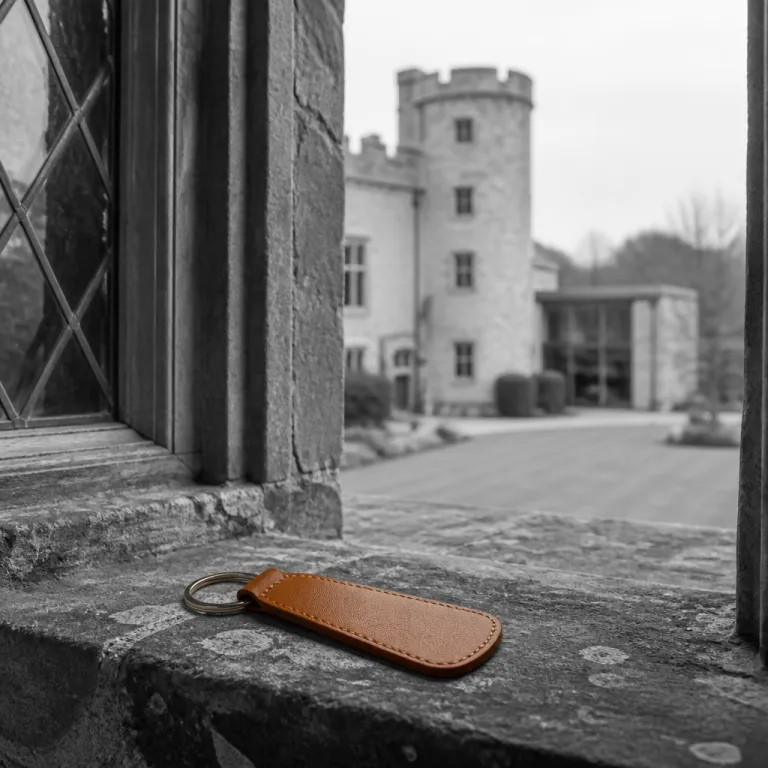
Hertford Castle hotel ownership and why it matters for luxury guests
Hertford Castle hotel ownership is unusual because the historic castle is owned and managed by Hertford Town Council rather than a private hotel group. According to Hertford Town Council’s published information, the authority uses the building for civic functions, offices, and private hire, while maintaining public access to the gardens. This municipal ownership shapes how the castle opens its grounds, how the interiors are used, and how any future house hotel style stays would need to respect its civic role. For travellers, understanding who owns Hertford Castle helps you judge whether time in or near the castle will feel like a secluded retreat or a shared community space.
The castle in Hertford began as a royal residence, and the surviving gatehouse dates from later rebuilding when defensive walls gave way to more comfortable accommodation. Today the structure stands on a raised site above the River Lea, with lawns that sweep down towards the water and frame views across Hertford town. Compared with a conventional hotel on a busy street, the sense of heritage, greenery, and space feels immediately different, even though you are only a short walk from the market square and Fore Street.
Because Hertford Town Council owns Hertford Castle, the council balances three objectives: preserving the site, providing public access, and housing administrative offices. That means the ground floor and upper rooms are not run as a standard house hotel, even though weddings and private events can create a similar atmosphere for a night. A council officer has described the approach as “a civic building first, a venue second”, which helps explain why luxury travellers encounter specific terms and conditions that differ from a normal commercial hotel contract.
The wider town centre around the Hertford Castle complex also shapes the guest experience. Fore Street in Hertford leads from the market square towards the castle grounds, lined with Georgian townhouse façades that hint at the long history the town has as a county capital. A visitor arriving from London by train can walk from the station through streets of pubs, cafés, and independent shops before reaching the castle gates, combining a town break with access to a historic riverside setting.
Because the castle gardens remain open to the public during set hours published by Hertford Town Council, any future house hotel concept on this site would need careful zoning. Guests paying premium rates expect private lawns, while local residents value the right to stroll the grounds and attend events. This tension between exclusivity and community sits at the heart of Hertford Castle hotel ownership debates among planners, hoteliers, and heritage advocates, and it is likely to shape any long term hospitality plans.
From royal palace to civic landmark: how history shapes modern stays
The story of Hertford Castle begins with its role as a royal palace used by English monarchs, including periods when Queen Elizabeth I spent time in the town. Over successive centuries, the fortress elements softened, and the castle became more of a comfortable house with landscaped grounds. That evolution from defensive stronghold to gracious residence underpins why travellers now see it as a potential luxury house hotel setting, even though it currently functions as a civic and ceremonial venue.
When you walk through the grounds of Hertford Castle today, you are tracing layers of history the town has accumulated around this site. The surviving gatehouse building, later wings, and the way the castle opens onto the River Lea all reflect changing tastes in architecture and leisure. For a guest staying nearby, a morning run along the riverside followed by coffee in the town centre can feel like stepping through different eras in a single day, from medieval walls to Georgian streets and contemporary cafés.
The Hertford Castle complex is listed on the National Heritage List for England, which means any work to convert more of the building into hotel style accommodation must respect strict conservation rules. Listing protects original stonework, staircases, and some internal layouts, limiting how many en suite rooms or lifts a developer could add. Luxury travellers benefit from this because the authentic character of the building is preserved, but it also means fewer potential bedrooms and higher nightly rates if overnight stays were ever expanded.
Hertford house style properties nearby, including the elegant Georgian townhouse stock on Fore Street, often step in to provide the actual bedrooms. A small house hotel in a Georgian townhouse can offer suites, a quiet bar, and River Lea views while still marketing proximity to Hertford Castle. A local hotelier summarised the appeal as “sleeping in a townhouse, celebrating in the castle”, which captures how separate buildings combine to create a single luxury experience.
Goldings, a former country estate just outside Hertford, adds another layer to the story. While not a hotel, the Goldings estate and the nearby town of Ware show how country houses around Hertford have been adapted for education, community use, and events. For travellers comparing options, the contrast between a civic owned castle, a private house hotel, and an adapted estate like Goldings illustrates the spectrum of heritage hospitality in this corner of Hertfordshire.
How Hertford Town Council ownership affects events, weddings, and private stays
Because Hertford Town Council owns Hertford Castle, every wedding, corporate retreat, or private event operates within a civic framework rather than a pure hotel model. The council uses leasing and adaptive reuse to let private operators host events while keeping the building’s primary role as an administrative and ceremonial site. For guests, this means you may enjoy a house hotel atmosphere for a night, but you are still in a working council building with public responsibilities and a shared calendar.
Event planners considering Hertford Castle often focus on the ground floor rooms, which open directly onto the lawns and River Lea views. These spaces can be dressed to feel like a luxury country house lounge, with canapés served as guests spill out into the grounds at sunset. Typical capacities, based on council venue hire information, range from around 30–40 guests for an intimate ceremony in a panelled room to roughly 100–120 people for a standing reception that uses both interiors and terraces.
Official guidance for visitors from Hertford Town Council notes that opening hours vary and that the gardens and public events programme should be checked in advance. This practical advice reflects how the castle opens to the public on specific days, while private hires occupy other dates. When you book an event, your contract and terms and conditions must align with this shared calendar, which can affect availability during peak wedding seasons and bank holiday weekends.
For corporate retreats, Hertford Castle competes with dedicated country house hotels that offer integrated bedrooms, spas, and dining. A helpful comparison is the way meeting and event capacity is analysed in guides to evaluating luxury escape venues. At Hertford Castle, you gain historic character and town centre convenience, but you may need to place delegates in multiple house hotel properties across Hertford and coordinate transfers between the castle and each hotel.
Some luxury travellers prefer this dispersed model, using an intimate inn on Fore Street and a Georgian townhouse hotel nearby as their base. They attend a gala dinner in the castle building, then stroll back through the town centre under the illuminated walls. A sample one-night itinerary might include check-in at a Hertford house hotel in the afternoon, a private tour of the castle grounds before sunset, a reception in the riverside rooms, and a late evening walk back through the market square.
Staying near Hertford Castle: town centre streets, river walks, and nearby estates
Most guests interested in Hertford Castle hotel ownership will actually sleep in nearby properties rather than inside the castle itself. Hertford town offers a mix of traditional inns, contemporary hotels, and converted house hotel style residences within a short walk of the castle grounds. This cluster of accommodation around the town centre allows you to choose between lively central locations and quieter River Lea settings, all while remaining close to the castle lawns.
Fore Street Hertford is the main historic artery, running from the market place towards the castle and the river. Here, Georgian townhouse façades hide surprisingly spacious interiors, some of which have been adapted into intimate house hotel properties with only a handful of suites. Guests who value privacy often choose these, enjoying breakfast on a ground floor terrace before walking through the town centre to the castle for a ceremony, photo session, or guided tour.
To the east, the road towards Ware follows the River Lea, passing former mills and wharves that speak to the trading history Hertford once relied on. Travellers who enjoy early morning walks can follow the towpath from Hertford to Ware, then return for lunch in the market area near Fore Street. This blend of riverside calm and town centre convenience is a key reason luxury visitors consider Hertford as a base for exploring Hertfordshire and nearby estates.
Goldings Hertford lies a short drive away, where the Goldings estate once operated as a country house with extensive grounds. While it is not a commercial hotel, its presence shows how many estates around Hertford were built as retreats for wealthy families. Today, luxury booking platforms often pair stays in a Hertford house hotel with day trips to Goldings, Ware, and other nearby estates to create a layered heritage itinerary that mixes town, river, and countryside.
When evaluating options, it helps to read analyses of small country houses versus grand estates, such as discussions of why boutique country houses with fewer rooms can outperform larger properties. Hertford Castle itself will never be a large scale hotel because of its listed status and council ownership. Instead, the luxury experience comes from pairing the castle’s public grounds and ceremonial rooms with carefully chosen small hotels and house hotel style stays across Hertford.
Planning a luxury stay: practicalities, terms and conditions, and guest expectations
When you plan a high end stay around Hertford Castle, you need to think differently than when booking a standard hotel. Hertford Castle hotel ownership by Hertford Town Council means the castle operates as a civic venue with limited overnight capacity, so your main accommodation will be in nearby house hotel properties. This requires more coordination but can result in a richer, more personalised itinerary that blends public heritage with private comfort.
Start by clarifying whether you want a purely leisure stay or an event centred trip. For a wedding or corporate gathering, you will negotiate directly with the council or its appointed managers about room hire, grounds access, and specific terms and conditions. These terms and conditions will cover everything from noise levels in the gardens to how guests move between the castle building and their chosen hotel in the town centre, as well as security, catering arrangements, and finishing times.
Luxury travellers often prioritise quiet, so choosing a Hertford house hotel on a side street rather than the busiest part of the centre can make a difference. A Georgian townhouse conversion with only a few suites can feel like a private residence, especially if it offers River Lea views or a walled garden. For guests seeking rest after an event at the castle, this separation between celebration and sleep is invaluable and can be the detail that turns a good stay into a memorable one.
Accessibility is another factor shaped by the listed nature of the Hertford Castle structure. Some staircases are narrow, and lifts may be limited or absent in historic sections, so guests with mobility needs should confirm which parts of the building they can use. Nearby hotels in modern buildings may offer more accessible ground floor rooms and step-free entrances, while still being within a short walk of the castle grounds and Fore Street.
Finally, consider timing. The periods when Hertford is busiest often coincide with public events at the castle, from open days to festivals in the grounds. If you prefer a calmer atmosphere, work with your chosen house hotel or travel advisor to select dates when the castle hosts fewer large events, allowing you to enjoy the lawns and River Lea walks in relative peace. A simple two-day itinerary might include arrival and town exploration on day one, followed by a castle-focused day with a private tour, riverside walk to Ware, and a celebratory dinner back in Hertford.
Heritage, community, and the future of Hertford Castle hotel ownership
The future of Hertford Castle hotel ownership will continue to balance heritage preservation with the growing demand for luxury stays in historic settings. Because Hertford Town Council remains the owner, any shift towards more intensive hotel style use must pass through public consultation and heritage oversight. This civic framework protects the castle as a symbol of the shared history Hertford residents value, while still allowing carefully managed commercial activity that supports maintenance and interpretation.
Adaptive reuse is already visible in how the building functions. Administrative offices occupy parts of the structure, while ceremonial rooms and the ground floor open for weddings, receptions, and community events. This mixed use model mirrors trends at other former royal palace sites, where listed status and public ownership encourage flexible, low impact hospitality rather than full scale hotel conversions. Regional tourism bodies such as Visit Hertfordshire highlight this kind of heritage-led approach as a way to attract visitors without overwhelming historic fabric.
Local estates such as Goldings and the riverside landscapes towards Ware show how the wider region is embracing heritage tourism. Increased public events at historical sites and a growing interest in heritage tourism have been noted by regional tourism bodies, and Hertford Castle sits at the centre of this movement. For luxury travellers, that means more curated experiences, from private tours of the castle grounds to guided walks along the River Lea linking Hertford and Ware, often combined with tastings, talks, or seasonal festivals.
Questions about whether guests could one day check into a full service house hotel within the castle walls remain open. Listed building protections, the compact size of the structure, and the need to maintain council offices all limit how far hotel style development can go. Yet the continued popularity of events, combined with the charm of nearby Hertford house properties and Georgian townhouse hotels, suggests a stable future for this hybrid model of civic landmark and luxury event venue.
For now, the most realistic vision of Hertford Castle hotel ownership is a partnership between public and private actors. Hertford Town Council safeguards the site, while independent hoteliers in the town centre provide the bedrooms and personalised service luxury guests expect. Together, they create an experience where you sleep in a characterful house hotel on Fore Street, then step into the history Hertford has preserved within the castle walls for your celebrations and daytime explorations.
Key figures and practical data about Hertford Castle
- Hertford Castle is owned by Hertford Town Council, which uses the building for administrative offices, civic events, and public access to the grounds; this ownership structure prioritises heritage and community use over full commercial hotel development.
- The castle site sits close to the centre of Hertford, at The Castle, Hertford SG14 1HR, placing it within easy walking distance of town centre hotels and the main streets including Fore Street and the market square.
- The surviving gatehouse and later wings form a compact building compared with large country estates, which limits the number of potential bedrooms and reinforces the focus on events, ceremonies, and daytime hospitality rather than full scale hotel use.
- Regional tourism bodies such as Visit Hertfordshire report a steady rise in heritage tourism across the county, with castles, royal palace sites, and listed buildings attracting visitors who often combine day visits with overnight stays in nearby towns such as Hertford and Ware.
- Official visitor guidance emphasises that the castle grounds are open to the public, but access to the interior building varies by event schedule and council use, so travellers should always check opening hours and any ticketed open days before planning a detailed itinerary.
Frequently asked questions about Hertford Castle and nearby stays
Is Hertford Castle open to the public ?
Is Hertford Castle open to the public? Yes, the gardens are generally open during advertised hours; check for specific building access. This means you can usually walk through the landscaped grounds, enjoy views of the River Lea, and see the exterior of the listed building. Access to interior rooms depends on events, council use, and scheduled open days published by Hertford Town Council.
Can Hertford Castle be rented for events and weddings ?
Can Hertford Castle be rented for events? Yes, it hosts private events like weddings, receptions, and corporate functions under a formal hire agreement with Hertford Town Council. Couples often use the ceremonial rooms and lawns for ceremonies, receptions, and photography, while guests stay in nearby house hotel properties in Hertford. Early booking is essential because dates must fit around civic functions, public events, and seasonal demand.
What facilities are available at Hertford Castle for visitors ?
What facilities are available at Hertford Castle? Administrative offices, event spaces, and public gardens form the core offer. Visitors can enjoy the landscaped grounds, views over the River Lea, and occasional guided tours or open days inside the building. For dining, bars, and accommodation, you will use the surrounding town centre, including Fore Street and other nearby streets where inns, restaurants, and Hertford house hotels are concentrated.
Can I stay overnight inside Hertford Castle like in a hotel ?
Overnight stays inside Hertford Castle are not offered in the way a conventional hotel operates. The building functions as a civic and event venue under Hertford Town Council ownership, with limited scope for guest bedrooms because of its layout and listed status. Most travellers book nearby Hertford house hotels or Georgian townhouse properties and use the castle for daytime visits, ceremonies, or special events.
How close are hotels and house hotels to Hertford Castle ?
Many hotels and house hotel style properties sit within a few hundred metres of the castle, especially around Fore Street and the wider town centre. Guests can usually walk from their accommodation to the castle grounds in less than ten minutes, often along attractive historic streets. This proximity allows you to enjoy both the quiet of a side street hotel and the historic atmosphere of the Hertford Castle complex throughout your stay.