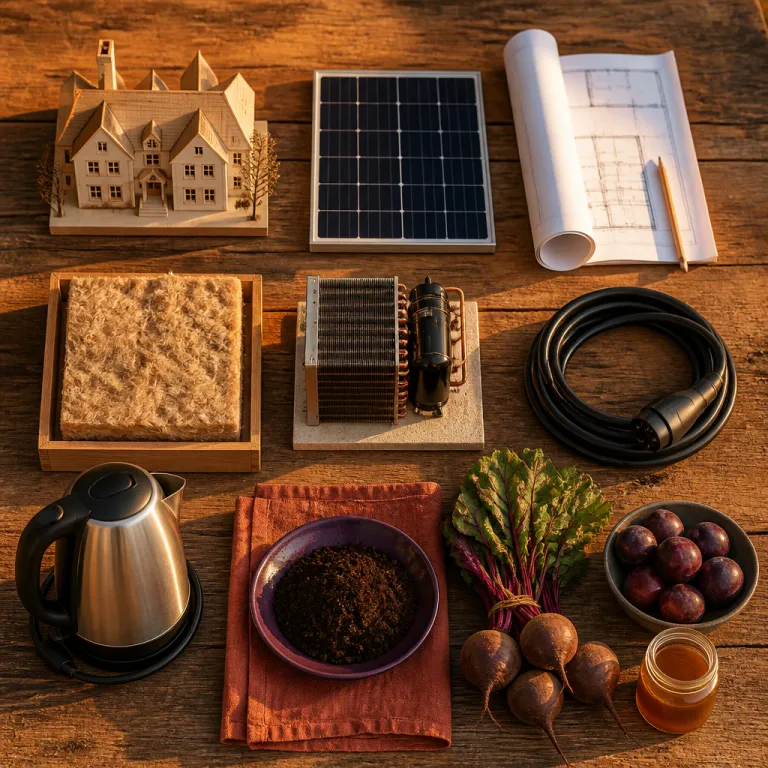
From heritage estate to sustainable country house hotel fossil free carbon neutral
At a serious country house property, the phrase “sustainable country house hotel fossil free carbon neutral” must mean more than a line on the website. It signals a full operational shift where the hotel management, specialist sustainability consultants and local government regulators align to remove fossil fuels from the estate’s daily life while respecting listed-building constraints. When you book one of these hotels, you are stepping into a living project where every kilowatt-hour of energy, every tonne of CO₂ equivalent and every decision about the building fabric is audited for long term sustainability.
In practice, a genuinely sustainable country house hotel with a fossil free, near carbon neutral approach starts with detailed energy audits and smart management systems that track emissions room by room. The most credible hotels use renewable energy technologies such as heat pumps, solar arrays and biomass, then pair them with upgraded insulation and discreet secondary glazing that do not compromise heritage façades. As one consultant put it during a recent retrofit review, “In a hotel context, fossil-free means operating without on-site oil or gas, relying instead on verifiable renewable energy sources and efficiency first, backed by metered data and third-party checks.”
For guests, the question is simple yet pressing: does a low carbon, fossil free country house experience still feel indulgent? The answer depends on how well the company behind the estate has integrated renewable energy systems into the site without sacrificing comfort, from hot water pressure to silent night time heating. When you read industry commentary or a hospitality daily newsletter, look for hard data on carbon footprint reduction and energy consumption, such as kWh per guest night or tCO₂e per year, not just climate friendly slogans or vague promises about clean energy and carbon neutral stays.
Kilchoan Estate and the Fife Arms: fossil-free ambition in the Highlands
On a remote Highland peninsula, Kilchoan Estate shows how a sustainable country house hotel with fossil free, carbon conscious operations can work without a gas main in sight. The estate leans on a mix of renewable energy sources, from high efficiency heat pump systems to carefully sited solar panels that sit low against traditional stone walls. Because the building stock is historic, every project phase is negotiated with planners to protect the original structure while still cutting carbon emissions dramatically; recent estate figures, shared in internal sustainability briefings, indicate space-heating emissions have fallen by more than 60 percent compared with the original oil-fired system.
Across the Cairngorms, the Fife Arms operates with a similar commitment to sustainability, but with a sharper focus on carbon tracking and deep local supplier relationships. Here, renewable energy is only one part of the story; the hotel also measures its wider carbon footprint, from freight emissions to the impact of imported wines, then works with local producers to shorten supply chains. In its latest sustainability summary, the team reports a reduction of around 30 percent in operational emissions over five years and diverts well over three quarters of waste from landfill, a granular approach similar to that explored in depth in guides to carbon tracking and compost led green shifts in country houses, where clean energy technologies sit alongside soil health and waste systems.
Guests sometimes worry that a sustainable country house hotel run on renewable energy will feel austere, especially in a northern climate with long winters. At Kilchoan and the Fife Arms, modern heat pump technologies actually outperform many legacy boilers, delivering steady warmth and generous hot water without burning fossil fuels. As one Highland estate manager notes, “Our guests notice the quiet and the comfort, not the absence of an oil tank.” When you read industry deep dives or news-style explainers from specialist hospitality platforms, look for specifics on renewable energy integration, such as installed capacity, commissioning dates and monitoring methods, not just broad claims about climate action or a generic promise that the site is carbon neutral.
Penicuik Estate and the long view: living landscapes and listed walls
Penicuik Estate, just south of Edinburgh, frames the sustainable country house hotel and fossil free heating question over a fifty year horizon. Its Living Landscape vision links peatland restoration, woodland expansion and heritage building repair into a single climate resilience strategy that directly reduces long term carbon emissions. Estate reporting indicates that restored peat bogs and new woodland now capture hundreds of tonnes of CO₂ equivalent over their lifetimes, so the land itself becomes a carbon sink that complements the hotel’s renewable energy systems and wider decarbonisation plans.
Inside the main house and its satellite buildings, the challenge is to retrofit Grade I and II listed structures without erasing their character. Planning rules often limit external wall insulation or visible solar installations, so the company behind the estate turns to internal insulation, secondary glazing and ground source heat pumps buried discreetly in meadows. Early monitoring suggests space-heating demand in upgraded wings has fallen by roughly a third, based on metered consumption before and after works, and for guests choosing between different hotels, this kind of patient, landscape scale project can be more meaningful than a quick marketing claim about being carbon neutral for a single year.
Countryhousestay.com focuses on properties where sustainability is woven into the stay, not bolted on as an afterthought. At Penicuik, that might mean walking from your room through restored wetlands with a guide who explains how reduced carbon footprint on the land supports the comfort you feel by the library fire. If you are curious about how this ethos translates into guest experience, explore their coverage of unique luxury country homes and refined stays in exceptional estates, where energy systems, local ecology and hospitality standards are always discussed together.
Retrofitting reality: heat pumps, B Corps and credible carbon claims
Retrofitting a sustainable country house hotel with fossil free, low carbon operations into a Grade I or II listed building is a technical and regulatory puzzle. External wall insulation may be banned, window replacements tightly controlled and roof lines protected from visible solar arrays, so engineers must work with the building rather than against it. That often means underfloor heating in restored stone floors, air source heat pumps tucked into courtyards and smart systems that balance energy loads across the site, all documented in conservation plans and energy performance reports.
Urban pioneers such as One Aldwych in London, a B Corp certified property, offer a model for how rigorous governance can shape country house hotels as well. B Corp status requires verified reductions in emissions, transparent reporting on energy use and a clear link between company purpose and sustainability outcomes, not just a marketing line about being carbon neutral. One Aldwych’s published data, for example, highlights double-digit percentage cuts in energy intensity over recent years, and when rural estates borrow this framework, they tend to publish detailed sustainability reports, sometimes showing energy consumption reductions of around thirty percent and carbon emissions cuts of dozens of tonnes per year, often reviewed by external consultants or certification bodies.
For travelers, the key is to separate measuring from marketing whenever a net zero or carbon neutral claim appears on a booking page. Look for third party certifications, clear definitions of what is included in the carbon footprint and whether any remaining emissions are offset through credible projects rather than cheap credits. Serious hotels will explain how their renewable energy technologies work, how often systems are audited and which partners, from EcoBuild style contractors to local utility companies and independent verifiers, have helped them reach fossil free status.
Guest comfort, booking choices and how to read the fine print
The most common fear about a sustainable country house hotel running on renewable energy is that comfort will be compromised. Modern heat pumps, when correctly specified, deliver more consistent warmth than many oil boilers, and smart controls allow rooms to be pre warmed before you return from dinner. Hot water cylinders sized for peak demand mean you can soak in a deep bath without worrying about the energy source behind the tap or whether the system can cope at full occupancy.
When choosing between hotels, pay attention to how each company explains its sustainability strategy on the booking site. A serious operation will detail its renewable energy mix, outline how it reduces its carbon footprint and describe any remaining emissions that are offset, rather than relying on a vague “green” badge. For a deeper look at how direct reservations support these investments, read the guide on booking a country house hotel directly instead of through an online travel agency, which explains how more revenue stays on the estate to fund clean energy projects, energy audits and long term maintenance of low carbon systems.
Digital habits can also shape how you stay informed about low carbon, fossil free country house options worldwide. Instead of relying only on social snippets shared via LinkedIn or Facebook, consider subscribing to a free daily hospitality newsletter where news is delivered to your inbox free of charge and curated by industry experts. Many travelers now use tools that let them add Google alerts, follow specialist news-style briefings and even request a print license for in depth features, so they can newsletter read carefully before choosing where to spend their next long weekend.
How media, data and expert voices frame fossil-free country houses
Behind every sustainable country house hotel fossil free carbon neutral claim sits a web of data, commentary and sometimes confusion. Trade platforms host explainers on renewable energy systems, while specialist writers unpack how clean energy transitions intersect with hospitality and heritage. When you read industry coverage, notice whether the focus is on practical technologies and measured emissions or on generic climate language that could apply to any sector, and whether articles link back to published sustainability reports or independent assessments.
Some of the most useful resources arrive quietly, via a daily newsletter that lands in your inbox free of charge with news delivered in a concise, estate focused format. These services often allow you to tailor topics, from carbon neutral certification to off grid energy systems, and to save articles for later newsletter read sessions. A few even offer options to add Google calendar reminders for webinars, request a print license for in depth reports or share key findings through Facebook or LinkedIn without wading through irrelevant hotels content.
For travelers who like to dive deep before booking a sustainable country house hotel with fossil free, low carbon operations, this ecosystem of information can be a real help. It allows you to compare how different company structures, from family owned estates to investor backed groups, approach sustainability and carbon footprint reduction. Over time, as more hotels publish transparent data on energy use, emissions and renewable energy investments, the gap between marketing and measurable climate action should narrow significantly, supported by clearer standards and more consistent reporting.
FAQ
What does fossil free mean for a country house hotel stay ?
Fossil free means the hotel no longer burns fossil fuels such as oil or gas for heating, hot water or electricity. Instead, it relies on renewable energy sources like heat pumps, solar panels or certified green grid power, often supported by better insulation and smart control systems that are documented in energy performance certificates or sustainability reports. For guests, the experience should feel identical or more comfortable, with the main difference being a lower carbon footprint.
How do hotels achieve a sustainable country house hotel fossil free carbon neutral status ?
Hotels usually start with an energy audit to understand where emissions are generated across the building and wider estate. They then phase in renewable energy technologies, upgrade insulation and windows where heritage rules allow, and improve operational practices such as procurement and waste management. Any remaining emissions may be offset through verified projects, but the priority is always to reduce on site carbon first and to publish clear data, often in tonnes of CO₂ equivalent per year.
Will my room be colder in a fossil free country house property ?
In well planned projects, rooms are often warmer and more consistent in temperature than in traditional oil heated estates. Modern heat pumps deliver steady low temperature heat over longer periods, which suits thick stone walls and large rooms. If a hotel has invested properly in systems and controls, and monitors performance through regular checks, you should not notice any reduction in comfort, even during colder months.
How can I check whether a carbon neutral claim is credible ?
Look for clear explanations of what is included in the carbon footprint, such as energy use, travel and supply chains, and whether data is independently verified. Third party certifications, detailed sustainability reports and transparent descriptions of renewable energy investments are strong signals of credibility. Be cautious of vague labels that do not mention specific emissions figures, timelines or external auditors, and favour hotels that reference recognised standards or verification schemes.
Does choosing a fossil free country house hotel really make a difference ?
Choosing a genuinely sustainable property sends a clear market signal that guests value measurable climate action. These hotels often reduce emissions by dozens of tonnes per year compared with similar estates that still rely on fossil fuels, while also supporting local suppliers and landscape restoration. Over time, consistent guest demand for such standards encourages more owners to invest in renewable energy systems and rigorous sustainability practices, helping to shift the wider hospitality sector towards lower carbon operations.