Understanding the condotel in Florida for discerning travelers
A condotel in Florida blends private condominium ownership with full hotel services. This hybrid model appeals to travelers who want a residential feel yet appreciate a polished hotel experience with attentive management. In a tourism driven state, these properties have become anchors of the modern beach resort landscape.
At its core, a condotel is a condominium building operated as a hotel, where individual units are sold to private owners. A professional hotel management company then runs daily operations, from the lobby bar and housekeeping to marketing and reservations for the various units. The Homeowners Association (HOA) oversees shared spaces, while condo owners retain title to each unit and may join a rental management program to generate income.
“A condotel is a property that combines condominium ownership with hotel-like amenities and services, allowing owners to use their units personally or rent them out.” This structure means a condotel in Florida can feel like a traditional resort destination for guests, while functioning as an investment for owners. For travelers, the benefit lies in spacious condo style layouts with multiple beds and baths, paired with the consistency of established hotels.
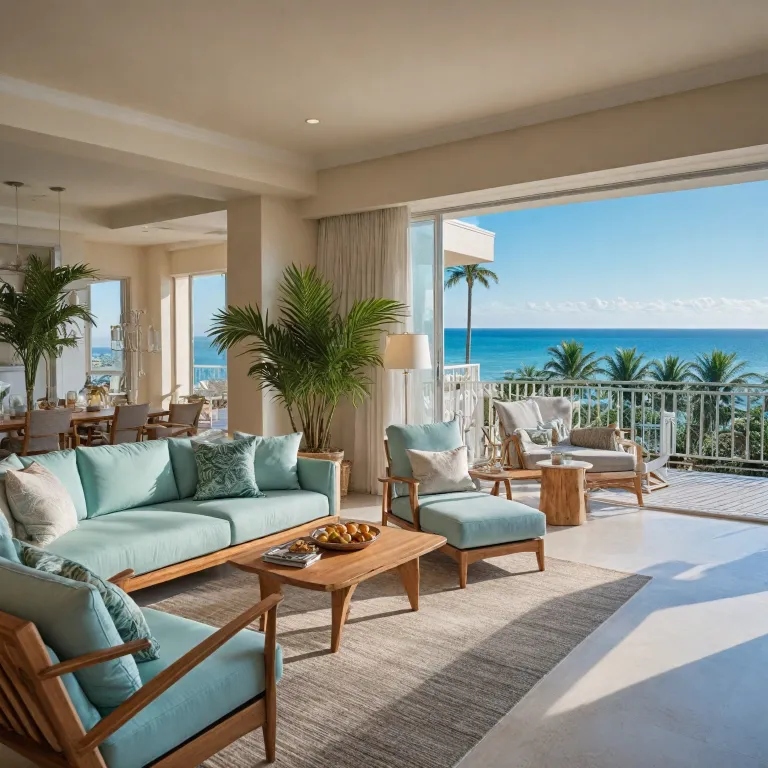
Many condotel units feature separate living areas, full kitchens, and balconies with gulf views or city views. Guests can choose a compact studio unit with a king bed or larger units with queen beds and additional sofa beds for families. In coastal areas, a condotel in Florida often sits directly on white sands, offering immediate access to the gulf beach or a lively beach town promenade.
How condotel ownership and management shape your stay
Behind every polished condotel in Florida lies a complex web of ownership and management. Individual condo owners purchase units, then decide whether to use them as private holiday homes or place them into a rental pool. The hotel management company coordinates reservations, guest services, and property management, ensuring a consistent standard across all units.
Because these buildings operate as hotels, the lobby bar, reception, and shared amenities must function seamlessly. The HOA collaborates with the management team to maintain pools, hot tub areas, landscaped terraces, and other resort features. This triad of condo owners, HOA, and hotel management creates a structure that supports both guest satisfaction and long term asset value.
For travelers, this means that a condotel in Florida can feel as reliable as established hotels from brands such as Marriott or the Autograph Collection. Some properties align with a major flag, while others remain independent yet still offer a professional management program with clear service standards. When browsing options in Fort Lauderdale or another beach town, look for transparent information about resort features, unit layouts, and on site services.
Those considering ownership should understand that condotel financing differs from standard residential mortgages. “Financing a condotel in Florida typically requires a minimum down payment of 25%, a loan-to-value ratio of up to 75%, and a minimum FICO score of 660. (condotelfinancingflorida.com)”. Travelers who simply wish to book a stay can still benefit from this investment structure, enjoying thoughtfully designed spaces similar to refined urban properties such as the Mayfair Inn and Suites.
Room layouts, beds, and baths in Florida condo hotels
When you book a condotel in Florida, the variety of units is one of the main attractions. Unlike many standard hotels, these buildings often offer a wide spectrum of layouts, from compact studios to expansive multi bedroom condominium residences. This flexibility allows couples, families, and multigenerational groups to find a configuration that suits their travel style.
Entry level units may feature a single king bed, a generous bath, and a small kitchenette. Larger condo hotel suites can include separate bedrooms with queen beds, additional baths, and a full kitchen that encourages longer stays. Families often appreciate the ability to spread out across several beds and baths, while still enjoying hotel services such as housekeeping and room service.
In coastal locations, many condo hotels are oriented to maximize gulf views or partial city views over marinas and skylines. A corner unit might offer dual aspects, with one terrace facing the gulf beach and another framing the energy of the surrounding beach town. Some properties also provide private terraces suitable for a small terrace wedding, especially when paired with a dedicated events team and elegant catering.
Bathrooms in a condotel in Florida tend to mirror upscale resort standards, with double vanities, walk in showers, and sometimes a soaking tub or hot tub on a private balcony. Thoughtfully designed lighting and storage help these condominium spaces feel both luxurious and practical for longer stays. For travelers who appreciate artful interiors, some properties echo the cinematic flair seen in European country house escapes such as Salute Palace in Venice.
Beachfront settings, gulf views, and resort features
The coastal setting is central to the appeal of a condotel in Florida, especially for guests seeking a classic beach resort atmosphere. Many properties sit directly on white sands, with boardwalk access to the gulf beach or Atlantic shoreline. From sunrise walks to sunset cocktails, the beach becomes an extension of your temporary condominium home.
Resort features typically include one or more pools, often with a hot tub and shaded cabanas. A well run hotel management team curates these spaces, ensuring towels, loungers, and poolside service feel effortless for guests. Fitness centers, kids’ clubs, and spa facilities are common in larger resort destination complexes, particularly in areas such as Fort Lauderdale or other high profile stretches of beach Florida coastline.
Views play a decisive role when selecting units within condo hotels, and pricing often reflects the hierarchy of vistas. Gulf views command a premium, especially from higher floors where the horizon seems to merge with the sky. City views can be equally compelling at night, with glittering skylines and harbor lights providing a sophisticated counterpoint to the relaxed beach town mood.
Some condominium complexes integrate landscaped decks and rooftop terraces, ideal for a terrace wedding or private event overlooking the water. These thoughtfully designed communal areas allow guests and owners to socialize while enjoying panoramic views of the gulf or urban waterfront. For travelers who appreciate narrative rich stays, editorial style properties such as those profiled in cinematic country house escapes offer a useful reference point when evaluating ambience and design.
What to know before booking or buying a Florida condotel
Whether you are booking a holiday or considering ownership, due diligence is essential with any condotel in Florida. As a guest, start by reviewing recent photos and floor plans of the specific unit category you intend to reserve. Because individual condo owners may furnish units differently, clarity on beds, baths, and overall layout will help align expectations.
Check how the management program operates, including housekeeping frequency, front desk hours, and any resort fees. A well structured property management system should outline services clearly, from pool access and hot tub rules to parking and beach chair availability. If the condotel is branded under Marriott or the Autograph Collection, loyalty benefits and member recognition may also influence your choice.
Prospective owners face additional layers of complexity, particularly around financing and regulations. Many condo hotels are considered non warrantable, which can limit mortgage options and require higher down payments. “Condotels can be a lucrative investment in Florida due to the state's strong tourism industry, but potential buyers should be aware of financing challenges and management fees.”
Regulatory changes have aimed to increase transparency in condominium and condo hotel ownership, especially regarding rental income projections and HOA obligations. Before committing to a unit, consult a real estate professional who understands the local condotel market and can explain HOA rules, rental splits, and long term maintenance plans. This level of preparation benefits not only owners but also future guests, who ultimately enjoy more reliable and professionally managed resort experiences.
Comparing condotels with traditional hotels and country house stays
For travelers accustomed to traditional hotels, the condotel in Florida offers a subtly different rhythm. Instead of a compact room, you step into a condominium style space with defined living, dining, and sleeping zones. This residential ambience suits longer stays, family gatherings, and remote work trips where a single bed and desk would feel restrictive.
Compared with classic resort hotels, condo hotels place greater emphasis on self sufficiency. Full kitchens, laundry facilities, and multiple baths allow guests to manage daily routines with ease, while still enjoying resort features such as pools, hot tub areas, and a lively lobby bar. In many beach resort complexes, the line between private home and serviced hotel blurs in a way that feels both intimate and efficient.
When contrasted with rural country house retreats, a condotel in Florida delivers a more urban coastal energy. Country properties often prioritize gardens, heritage architecture, and slow paced rituals, whereas a beach Florida condominium leans into water sports, nightlife, and skyline views. Yet the underlying desire is similar, as guests seek thoughtfully designed spaces that reflect a strong sense of place and narrative.
For those planning a multi stop itinerary, combining a stay in a coastal condo hotel with time in a refined country house can be particularly rewarding. You might begin with gulf views and white sands, then retreat inland to a quieter estate style property for reflection and nature. This layered approach mirrors the way discerning travelers now curate experiences, moving fluidly between condominium comfort, resort destination amenities, and the character of historic country residences.
Key statistics about condotel financing and ownership
- Minimum down payment for condotel financing in Florida is typically 25 % of the purchase price.
- Loan to value ratios for many condotel mortgages generally reach up to 75 %.
- Lenders often require a minimum FICO credit score of 660 for condotel purchases.
- Regulatory updates have focused on improving transparency in condominium and condo hotel ownership structures.
- Florida’s tourism driven economy continues to support demand for condo hotels as both lodging and investment assets.
Essential questions about staying in a Florida condotel
What is a condotel?
What is a condotel? A condotel is a property that combines condominium ownership with hotel-like amenities and services, allowing owners to use their units personally or rent them out. For guests, it functions much like a traditional hotel, with the added benefit of larger, residential style spaces.
Are condotels a good investment in Florida?
Are condotels a good investment in Florida? Condotels can be a lucrative investment in Florida due to the state's strong tourism industry, but potential buyers should be aware of financing challenges and management fees. Prospective owners should review HOA rules, rental management contracts, and long term maintenance plans before committing.
What are the financing requirements for purchasing a condotel in Florida?
What are the financing requirements for purchasing a condotel in Florida? Financing a condotel in Florida typically requires a minimum down payment of 25%, a loan-to-value ratio of up to 75%, and a minimum FICO score of 660. (condotelfinancingflorida.com). Buyers should consult lenders experienced with non warrantable condominium products to understand specific terms.